Weight Loss Accountability Partners: How to Make it Work


A weight loss accountability partner is a friend, family member, or coworker who can check in with you, provide support, and keep you motivated.
It sounds like a perfect solution, but it can also have the opposite effect if they give up or don’t provide effective encouragement.
However, a good weight loss accountability partner paired with a proven system can be the key to finally help you lose the weight.
In this post, we’ll discuss why weight loss accountability partners often fail and how to structure a program that allows you to finally succeed.
Why Weight Loss Accountability Partners Don’t Always Work
Here are a few of the most common reasons why weight loss accountability partners don’t always work out.
The good news is that now that we’ve identified these problems, we can build an effective weight loss accountability partnership that helps you finally achieve your weight loss goals.
How To Create an Effective Weight Loss Accountability Partnership
Here’s a step by step process to create an effective weight loss accountability partnership.
Step 1: Select The Right Partner
Instead of selecting a weight loss accountability partner on a similar weight loss journey, select someone who already has established diet and exercise habits.
If you don’t have any friends or family with diet and exercise habits you admire, consider joining a challenge, like Wearable Challenge.
Wearable Challenge is a free nutrition challenge that has an SMS group chat where you can connect with others as well as coaches who can help you reach your goals.
Step 2: Agree On Goals and a Tracking System
This is one of the most important steps of the entire process. There are three parts to this step:
- Track nutrition, not just exercise
- Select the action items you’ll track
- Use real data to track your progress
Track Nutrition, Not Just Exercise
A key mistake many people make is tracking just exercise.
Nutrition often has a far bigger impact on weight loss than exercise, because it’s easy to overconsume calories.
In fact, the average restaurant meal contains 1,200 calories.
Yet according to Harvard, 30 minutes of vigorous exercise on a stationary bike only burns about 315 to 441 calories, depending on your weight.
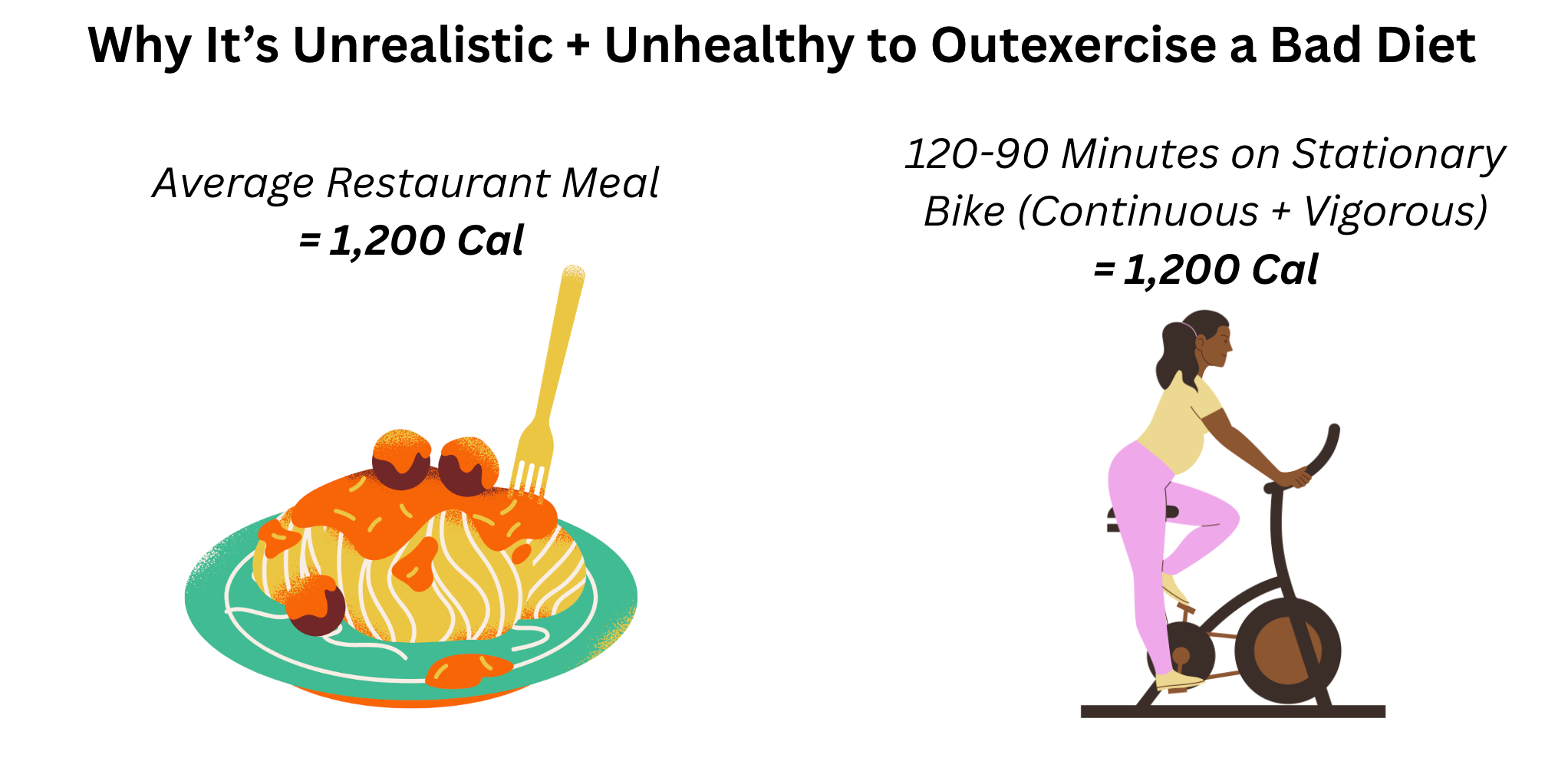
So you’re much more likely to reach your goal by focusing on diet rather than exercise.
Track Inputs, Not Outcomes
Many people set a goal to lose a certain number of pounds.
Yet tracking an outcome (such as pounds or inches lost) often encourages short-term, unhealthy hacks, like excessive fasting, fad dieting, or other practices that don’t solve your problem.
Instead, track inputs that lead to your desired outcome.
Some examples of inputs include:
- Macros: “I’ll consume 100 grams of protein, under 180 carbs, and 70 grams of fat.”
- Calories: “I’ll consume 1,600 to 1,800 calories per day.”
- Glucose levels: “I’ll keep my blood sugar under 120 mg/dL per day.”
Another benefit of tracking action items is that you can track them daily. If you develop good daily habits (rather than trying to diet excessively to achieve a goal), you’re more likely to keep the weight off.
This also makes it easy to clearly tell your accountability partner if you hit your daily goal.
Track Action Items With Data
Manually logging meals is a good practice because it makes you more aware of what you’re eating and provides a good overview of the macros (carbs, fats, and proteins) you’re consuming.
However, food logging isn’t a perfect solution for a few reasons:
- It’s easy to cheat: You can just omit that second cookie from your log, meaning your partner won’t be able to hold you accountable for it.
- It requires effort: You’ll get tired of pulling out your phone at every meal, especially if you’re just grabbing a snack. This will cause you to eventually quit altogether.
- It’s often imprecise: Logging a chicken dish smothered in a heavy sauce at a restaurant as “grilled chicken” in your food log probably isn’t accurate.
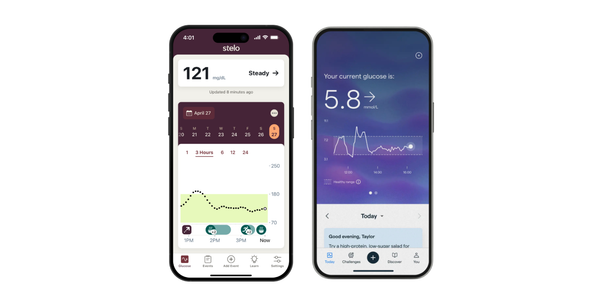
Instead, consider wearing a CGM. CGM data solves these problems because:
- You can’t cheat: The CGM measures your blood sugar levels, so you can’t “forget” to log that extra cookie.
- It’s effortless: The CGM stays in your arm and records data around the clock.
- It’s precise: Your calorie estimations may be way off on a restaurant meal, but the CGM will show you a fairly accurate representation of your blood sugar.
While CGMs don’t provide calorie or macro information, your blood sugar levels are a good indicator of whether or not you’ve eaten a lot of sugar or carbs.
If you reduce high sugar/carb foods from your diet, you’ll probably lose weight.
Of course, wearing a CGM is only useful if you're held accountable to the data.
That’s why we built Wearable Challenge.
It’s a 14 day challenge where participants wear a CGM and stake $20/day to keep their blood sugar under 120 mg/dL.
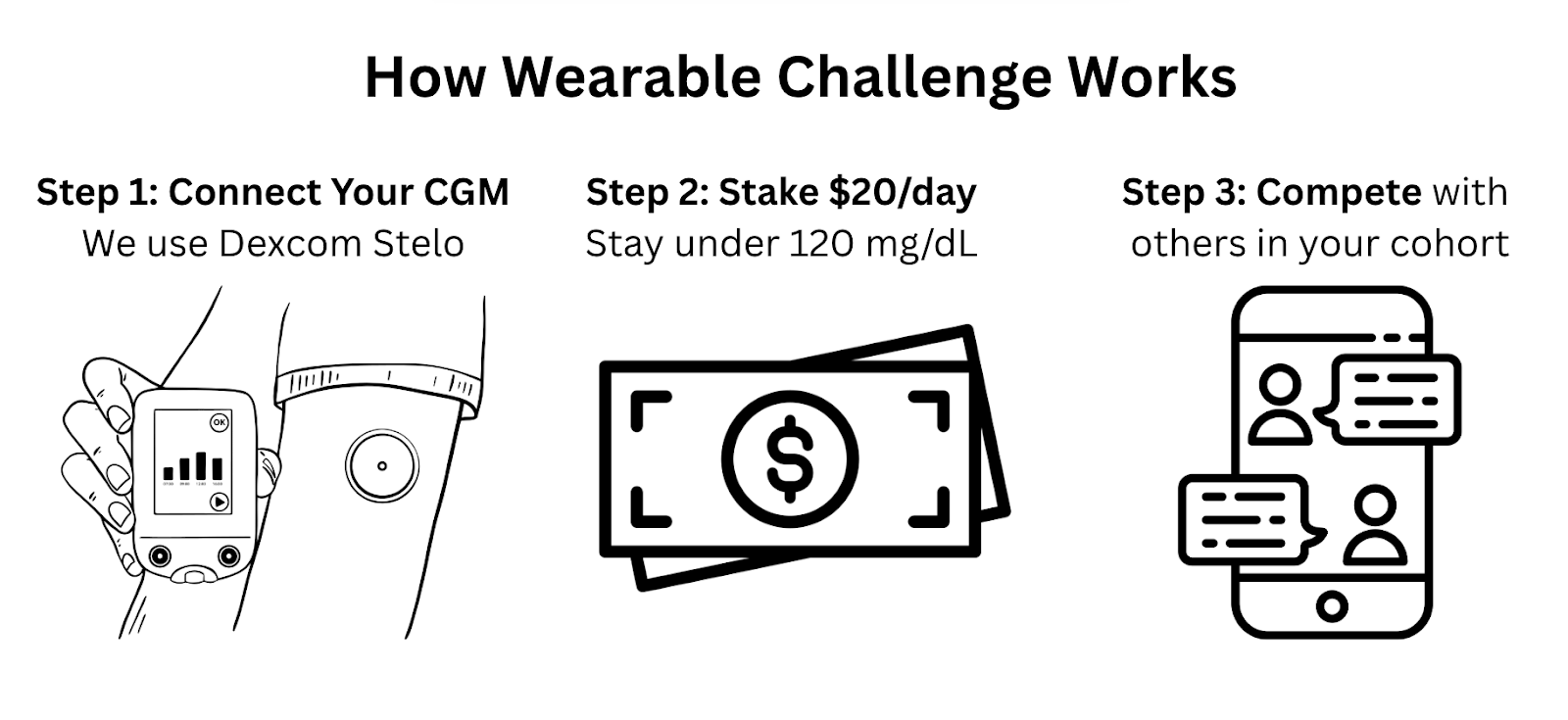
Here’s why Wearable Challenge is often more effective than a traditional weight loss accountability partner:
You can join Wearable Challenge today.
Step 3: Set Start/End Dates and Stakes
Establishing an end date gives you a finish line to work towards, keeping you motivated without feeling overwhelmed.
To further motivate you to finish the challenge, set daily stakes.
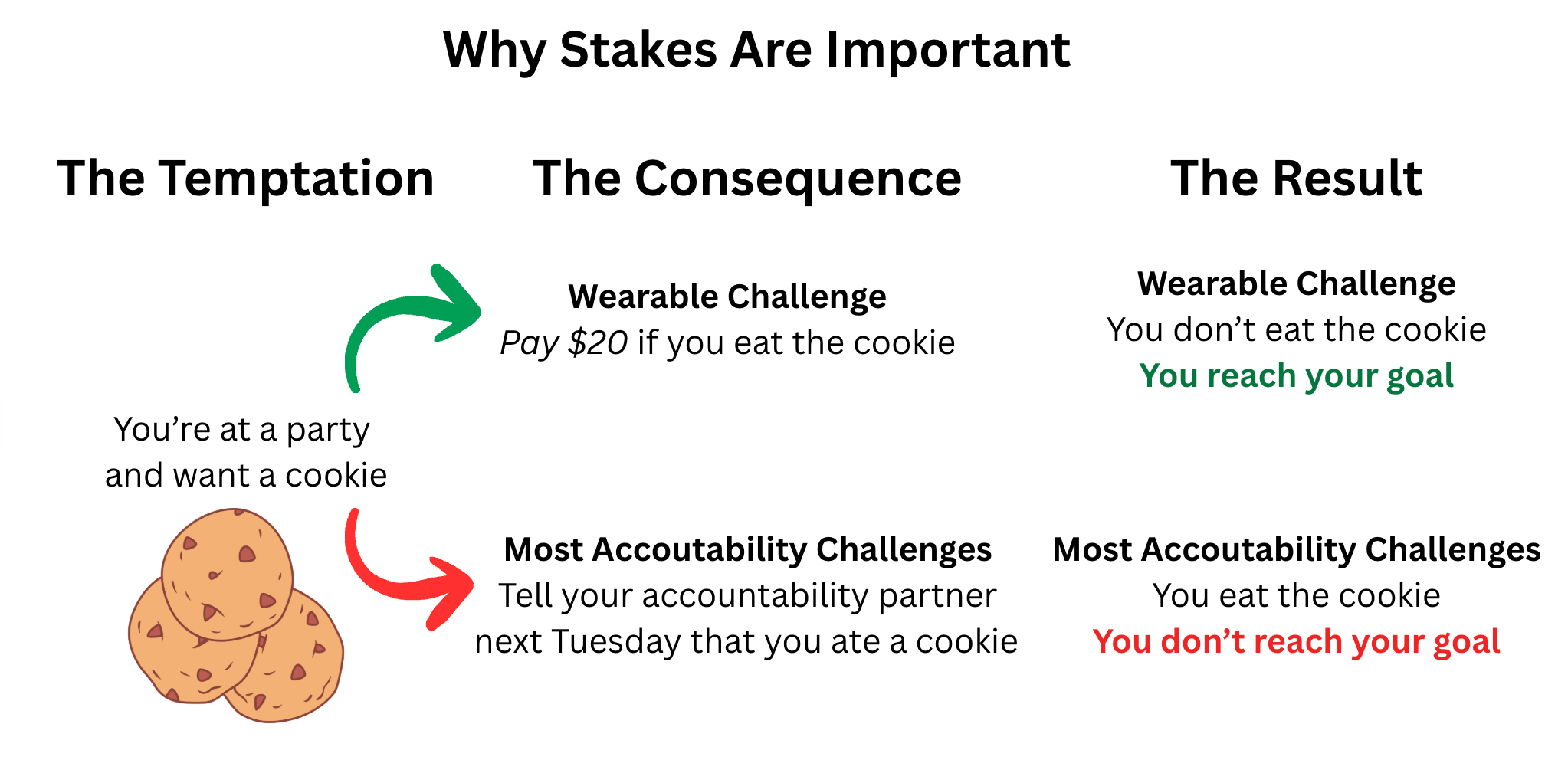
It might seem harsh, but daily stakes will help you offset the instant gratification you might receive from eating a brownie with the instant pain of the lost stakes.
This is a key reason why Wearable Challenge members stake $20 per day to stay under 120mg/dL. The pain of losing $20 often outweighs the gratification of eating junk food, and every day is a new day with new stakes.
If the only consequence is knowing you’ll have to tell your accountability partner about the cookie you ate, you’ll probably eat the cookie and confess later, or lie and say you never slipped up.
So even if you don’t join Wearable Challenge, at least use a platform like stickK to place a bet and hold yourself accountable.
If you use stickK, set a custom goal so that you can track an input, like logging each day or your blood sugar (if you wear a CGM), rather than an outcome (like pounds lost).

However, stakes are very hard to enforce without data. Even if you submit a food log each day, it’s easy to lie about what you did or did not eat, and your calorie estimations may be imprecise.
This is why Wearable Challenge participants use a CGM to enforce accountability.
Step 4: Leverage Your Partner Frequently
If you only check in with your accountability partner once per week, you’ll probably slip up throughout the week.
Instead, make accountability daily so that you build strong daily habits.
When you check in, focus on inputs, not outcomes. Instead of saying “I gained a pound,” share whether you hit your daily nutrition or exercise goals and discuss any challenges that arose.
Talk through situations that were difficult, like a tempting snack at work or a night out, and brainstorm strategies for handling them better next time.
Be honest, otherwise your accountability partner can’t help you.
It’s also important to celebrate small wins, like choosing a healthy option at a restaurant. Positive reinforcement will keep you motivated and help you stick to your goals.
Step 5: Learn and Improve The Process
Take a few minutes each evening or morning to reflect on what worked and what didn’t.
Did any situations challenge your habits, like social events, stress, or cravings?
How did you handle them? How could you have handled them better?
Use these reflections to adjust your approach and plan better strategies for similar challenges in the future.
Experiencing setbacks isn’t failure; it’s data. The key is to treat each day as a new opportunity to practice healthy habits and refine your system.
A Weight Loss Accountability Partner That Makes Winning Easy
Most weight loss accountability partnerships fail because there isn’t:
- Clearly defined target inputs (focused on nutrition)
- Clear and immutable tracking for those inputs
- Clear stakes/consequences
We created Wearable Challenge to solve all of these problems.
You wear a CGM for 14 days and stake $20/day to keep your blood sugar under 120 mg/dL.
You don’t have to do any progress checks, cook meals at home, or worry about food logging.
And committing to $20 daily stakes at the beginning of the challenge, you can’t quit.
This is why Wearable Challenge is much more effective than a typical weight loss accountability partner.
Join for free today to start your weight loss accountability challenge.