What is an OTC CGM? Overview, Brands, and Use Cases

CGMs (continuous glucose monitors) were originally designed exclusively for people with diabetes and required a prescription to obtain.
Yet maintaining stable blood sugar is a healthy practice for non-diabetics.
If you maintain stable blood sugar, you'll avoid crashes that lead to hunger, mood swings, and fatigue.
Therefore, people with steady blood sugar:
- Are less likely to overeat, which can help with weight loss.
- Have more energy to push harder at the gym.
- Experience less brain fog, leading to better mental performance.
- Maintain a stable mood and are less irritable.
The only problem is that CGMs traditionally always required a prescription and, therefore, were not available to non-diabetic consumers.
However, this changed in 2024 when the FDA cleared the first over-the-counter CGMs.
In this post, we'll discuss what an OTC CGM is, how it differs from medical-grade CGMs, and how you can use it to improve your health and mental performance.
What is an OTC CGM?
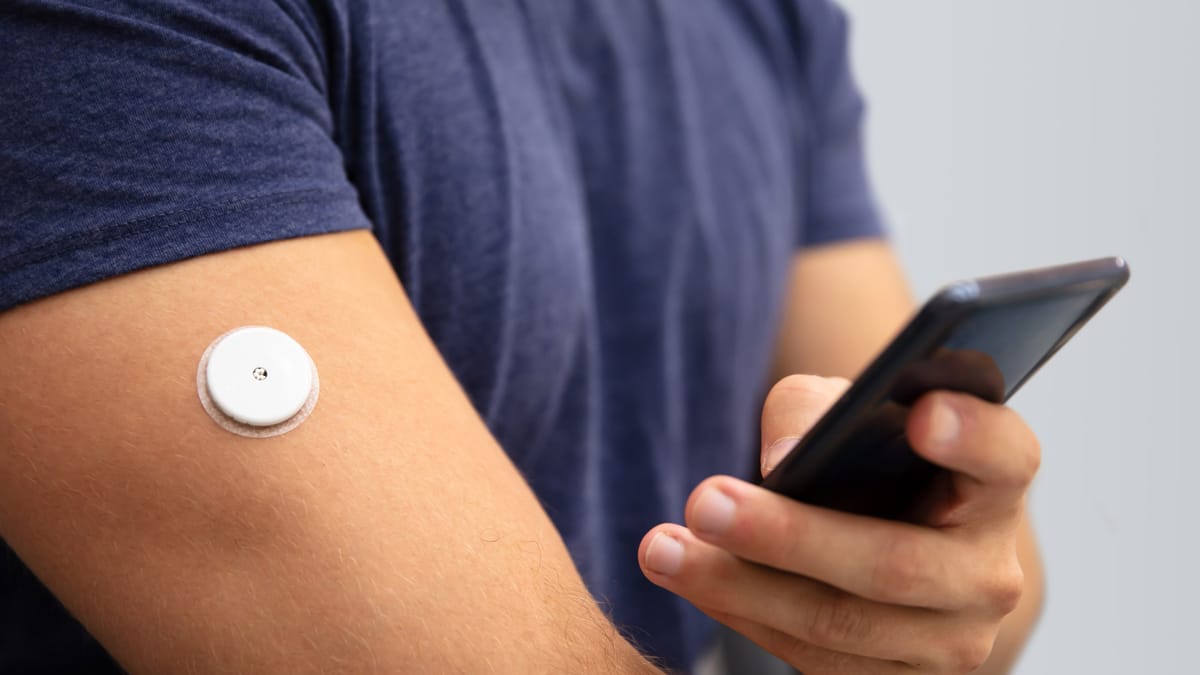
An OTC CGM (over-the-counter continuous glucose monitor) is a small wearable device that tracks your blood sugar levels and does not require a doctor's prescription.
While OTC CGMs are not designed for diabetics who use insulin, they still function very similarly to a traditional CGM.
Here's how an OTC CGM works:
- A tiny sensor (usually worn on the back of your arm or abdomen) painlessly inserts a filament just under the skin.
- This filament measures glucose in the interstitial fluid (the fluid between your cells) and the data is transmitted to an app via Bluetooth.
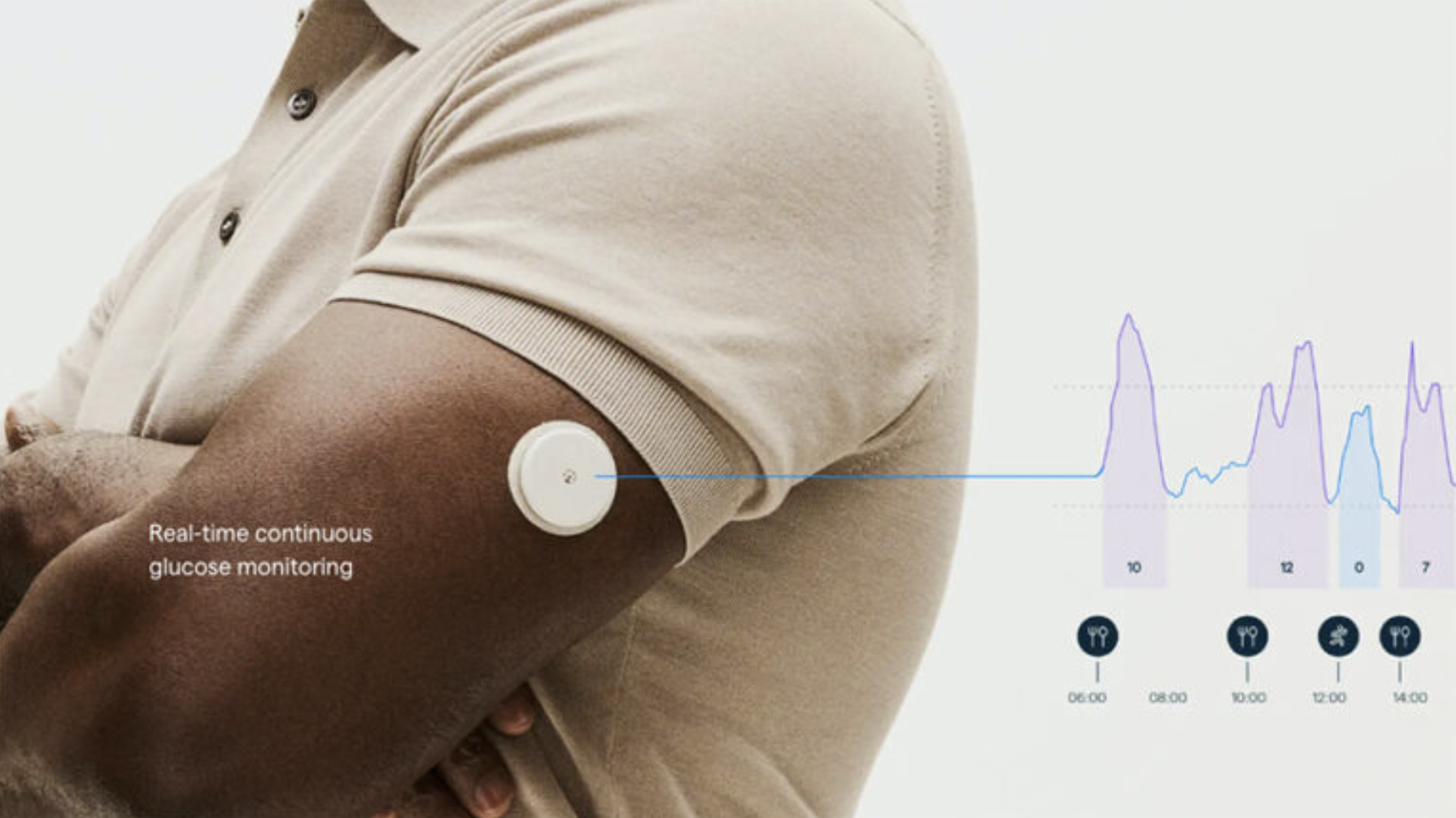
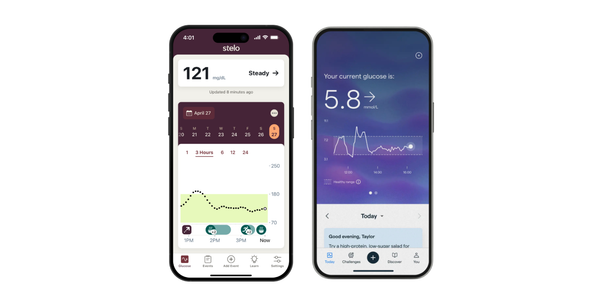
- The app every few minutes, giving you a detailed view of how your glucose levels change throughout the day. Most apps also usually provide more detailed weekly overviews. Here's an example from Stelo (one of the popular OTC CGMs available):
By continuously monitoring your blood sugar, you can see exactly how your body responds to specific meals, stress, sleep quality, or exercise.
Using this data, you can adjust your diet, workout, and daily routine to attain your health and fitness goals.
How Non-Diabetics Can Use OTC CGMs
Tracking glucose levels can help you understand how your body responds to food, exercise, stress, and sleep.
These insights can help you make lifestyle changes to attain your health goals.
Here’s a more detailed overview of specific use cases for OTC CGMs.
1. Weight Management
If weight loss is simply the result of eating fewer calories than you burn, why would tracking your glucose levels help?
While maintaining stable glucose doesn’t directly cause you to lose weight, it does make weight loss easier because you’re less likely to feel fatigued, hungry, or crave sugary foods.
Specifically, when you eat sugary or starchy foods, your blood sugar spikes, and your body releases insulin to lower it.
Sometimes insulin works too effectively, bringing blood sugar back down too quickly, which can cause it to crash below an average level.
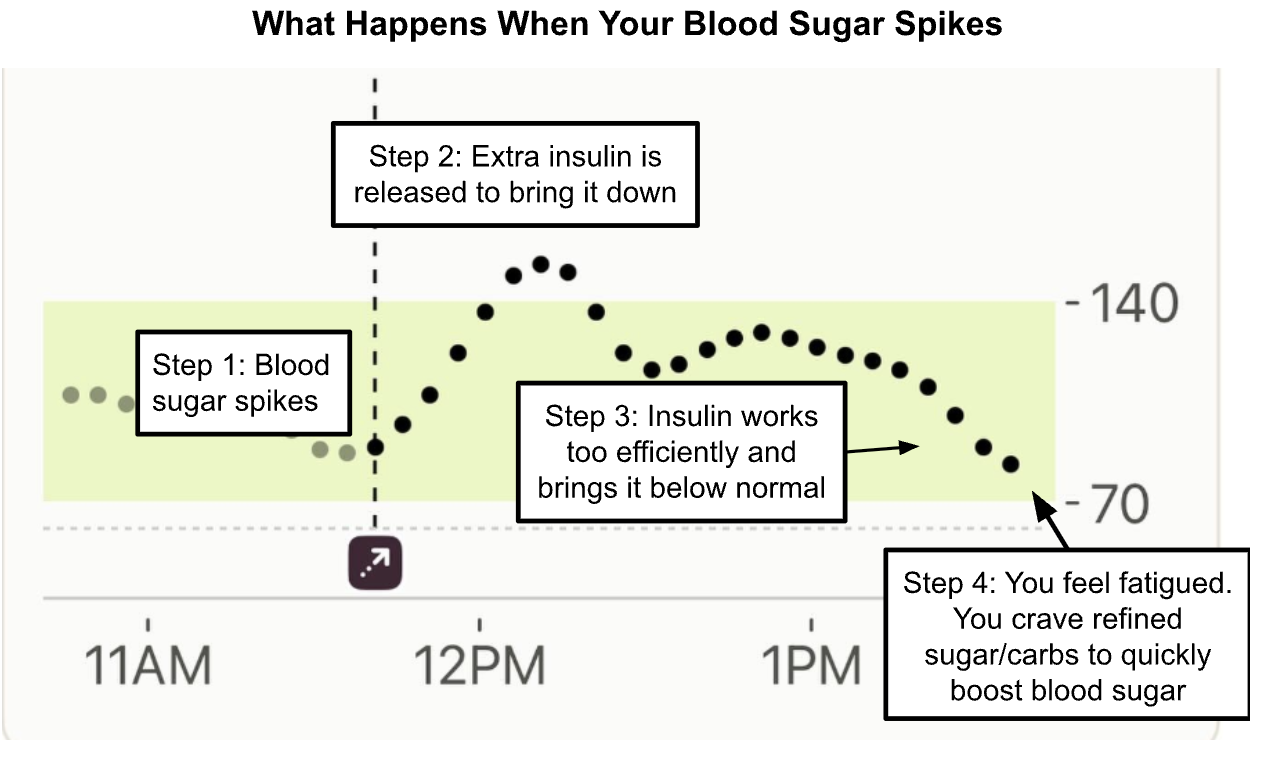
This crash makes you feel hungry, even if you just ate.
And, you won't crave just any food.
You'll specifically crave quick-energy foods like sugar and refined carbs that raise your blood glucose levels as quickly as possible. These foods are often high in calories and lead to weight gain.
Therefore, using an OTC CGM can help you identify foods that cause blood sugar spikes so that you can minimize or remove them from your diet altogether.
For example, you might notice that a morning smoothie with fruit causes a large spike, while a protein-rich breakfast of bacon and eggs keeps levels steady.
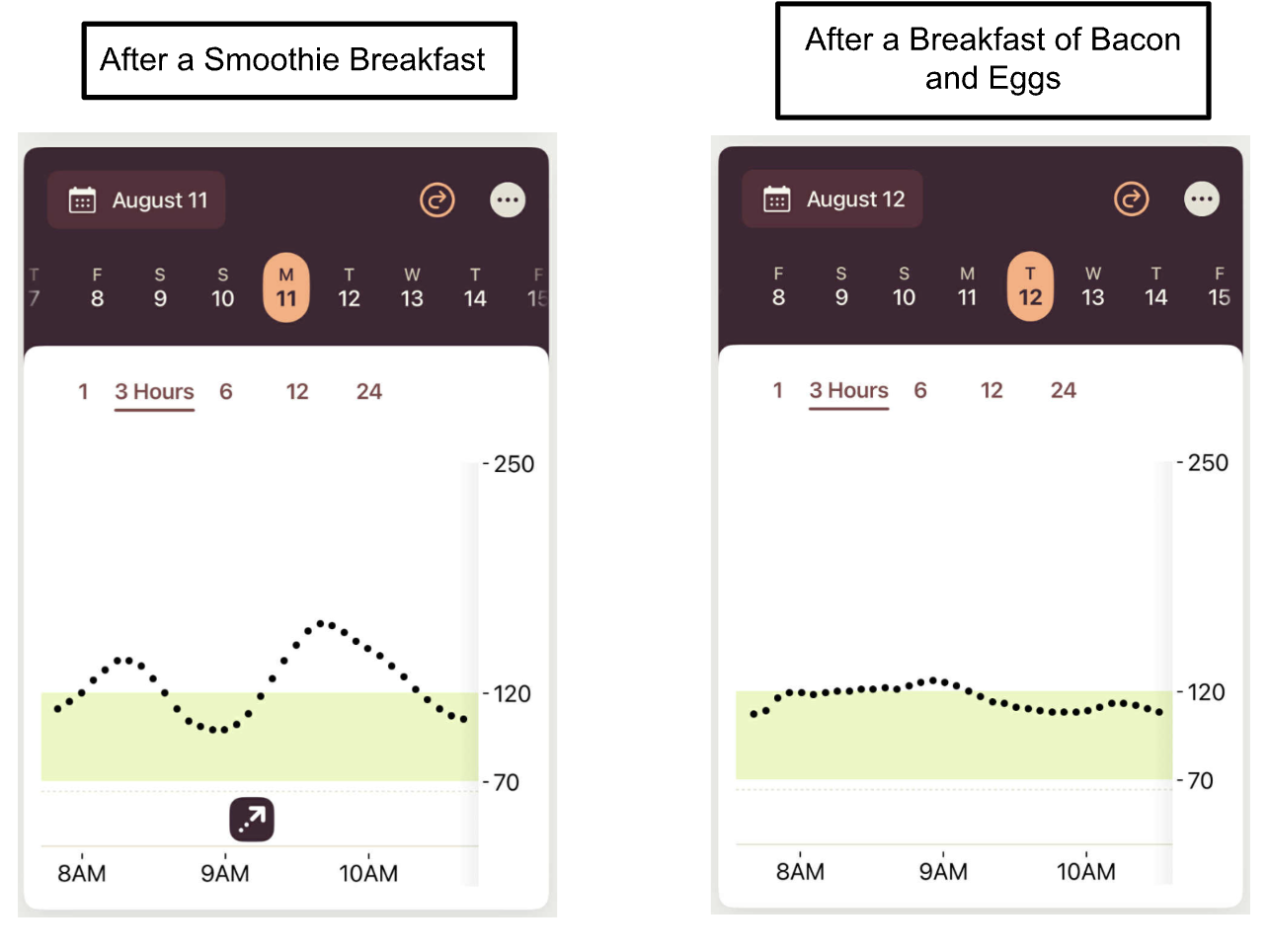
With this data, you can adjust your diet and meal timing to better control hunger and maintain steady energy throughout the day.
As a result, you’ll avoid crashes and cravings, making it easier to manage your appetite and lose weight.
2. Fitness Optimization
Glucose is the body’s primary fuel for high-intensity activity. If your glucose levels are below a healthy average, you won’t have sufficient energy to achieve maximum performance during your workout.
Wearing an OTC CGM can make you aware of when your glucose is dropping during a workout and you can then eat a quick high carb snack (like a banana) to bring your glucose levels back up to a healthy level and maximize performance.
For example, if you're on a bike ride and notice your glucose levels dropping, you might consume a gel pack to bring your glucose levels back up.
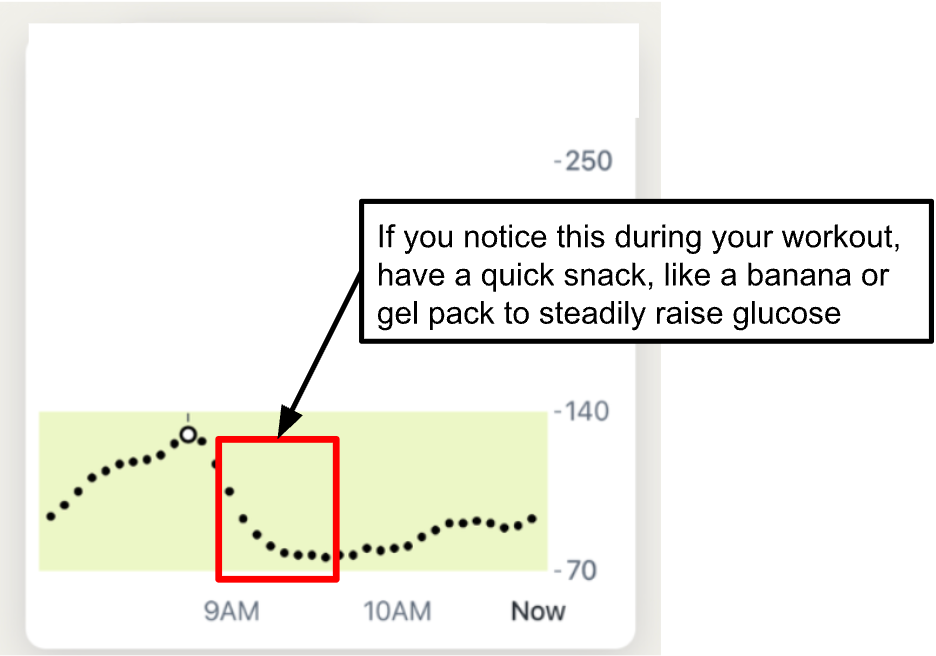
Additionally, you can use an OTC CGM to optimize your pre-workout snacks.
For example, you might notice that oatmeal causes your blood glucose to spike and then crash. Therefore, if you eat oatmeal as a pre-workout snack, your crash will occur mid-workout, hindering your performance.
Using this information, you’ll know to opt for a different, perhaps low-glycemic, pre-workout snack in the future.
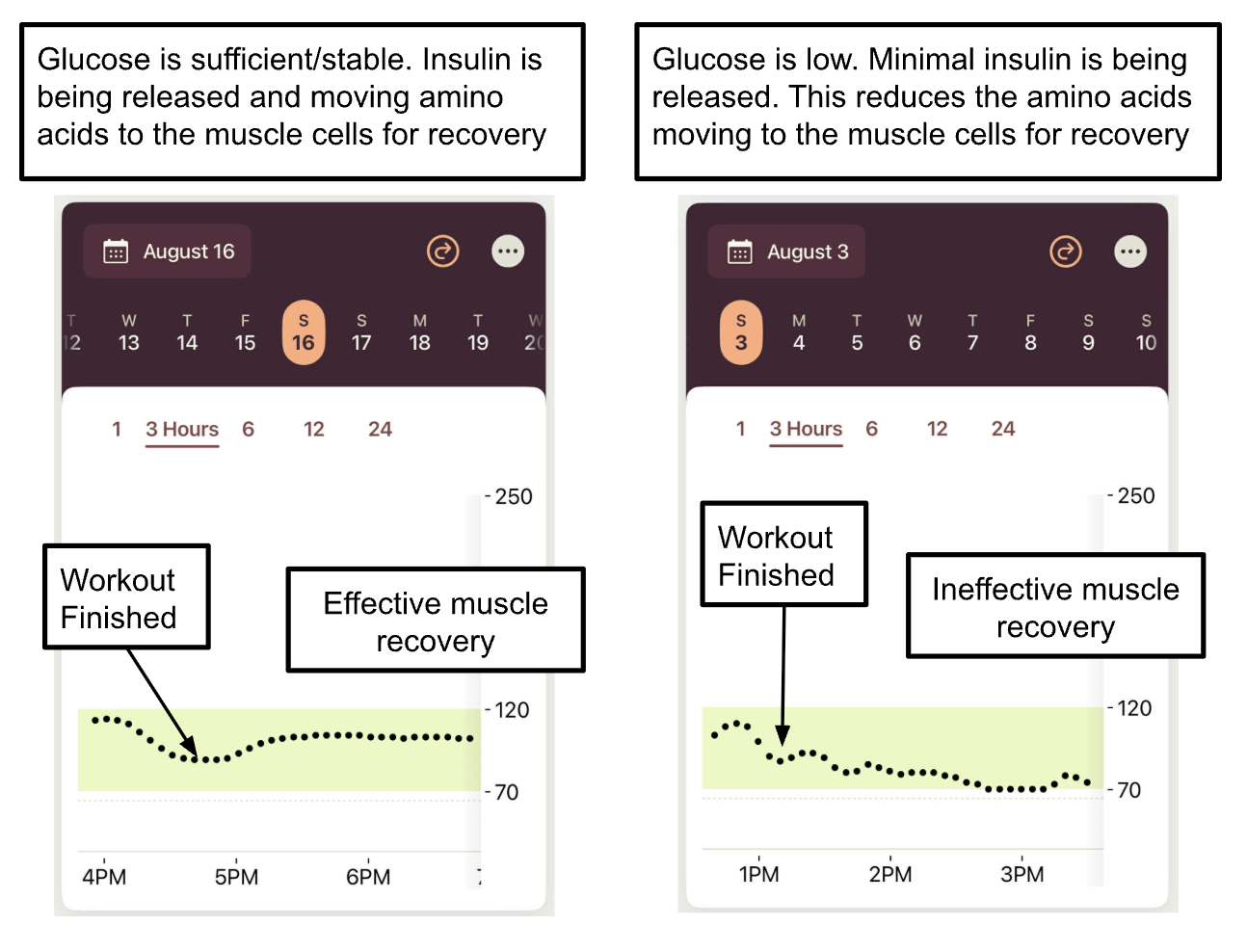
Tracking glucose levels after workouts is also useful.
Ideally, you want your glucose levels elevated (but not spiking) after a workout. This is because higher glucose levels means insulin will be released, which helps move amino acids into muscle cells and supports protein synthesis. This helps muscles repair and grow efficiently.
Keeping glucose steady also prevents muscle breakdown, as low blood sugar can make the body use muscle protein for energy, making it hard to gain muscle.
3. Metabolic Health Insights
Even if you don’t have diabetes, your glucose patterns provide important information about metabolic health.
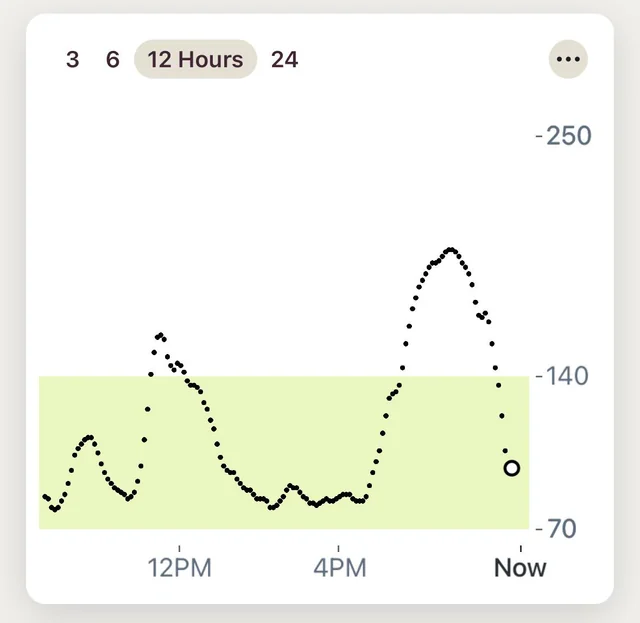
If you experience large or frequent spikes, you may have insulin resistance or other early markers of metabolic dysregulation.
For example, this person realized that they may be pre-diabetic as this is a fairly typical graph after a normal meal. Ideally, their blood sugar should not spike this high and stay up for so long after a typical meal with moderate carbs.
You can also learn which foods cause spikes.
For example, you might not realize that the “healthy” protein bars you’re eating are actually causing your glucose to spike.
This proactive approach allows users to take control of their metabolic health before more serious issues arise.
4. Increase Mental Performance
Many people experience mid-afternoon brain fog and fatigue, and it’s often because they unknowingly ate a meal high in refined sugar or carbs that caused their blood sugar to spike and then crash.
Wearing an OTC CGM can make you aware of which foods spike your blood sugar.
By keeping your blood sugar steadier throughout the day and avoiding blood sugar crashes, you’ll likely experience better mental performance.
OTC CGMs Currently Available
The first OTC CGM cleared by the FDA on March 5th, 2024 was the Dexcom Stelo. Shortly thereafter, Abbott’s Lingo and Libre Rio were also cleared by the FDA to be sold to consumers without a prescription.
The Lingo is designed for general health and wellness while the Libre Rio is an OTC CGM specifically designed for managing Type 2 diabetes in individuals who do not use insulin.
Therefore, we’ll focus primarily on the Dexcom Stelo and Abbott Lingo in this article.
Both are quite similar and perform the same basic functions, including tracking your glucose, providing access to an app, and allowing you to log meals and exercise.
Here’s a more detailed overview of each.
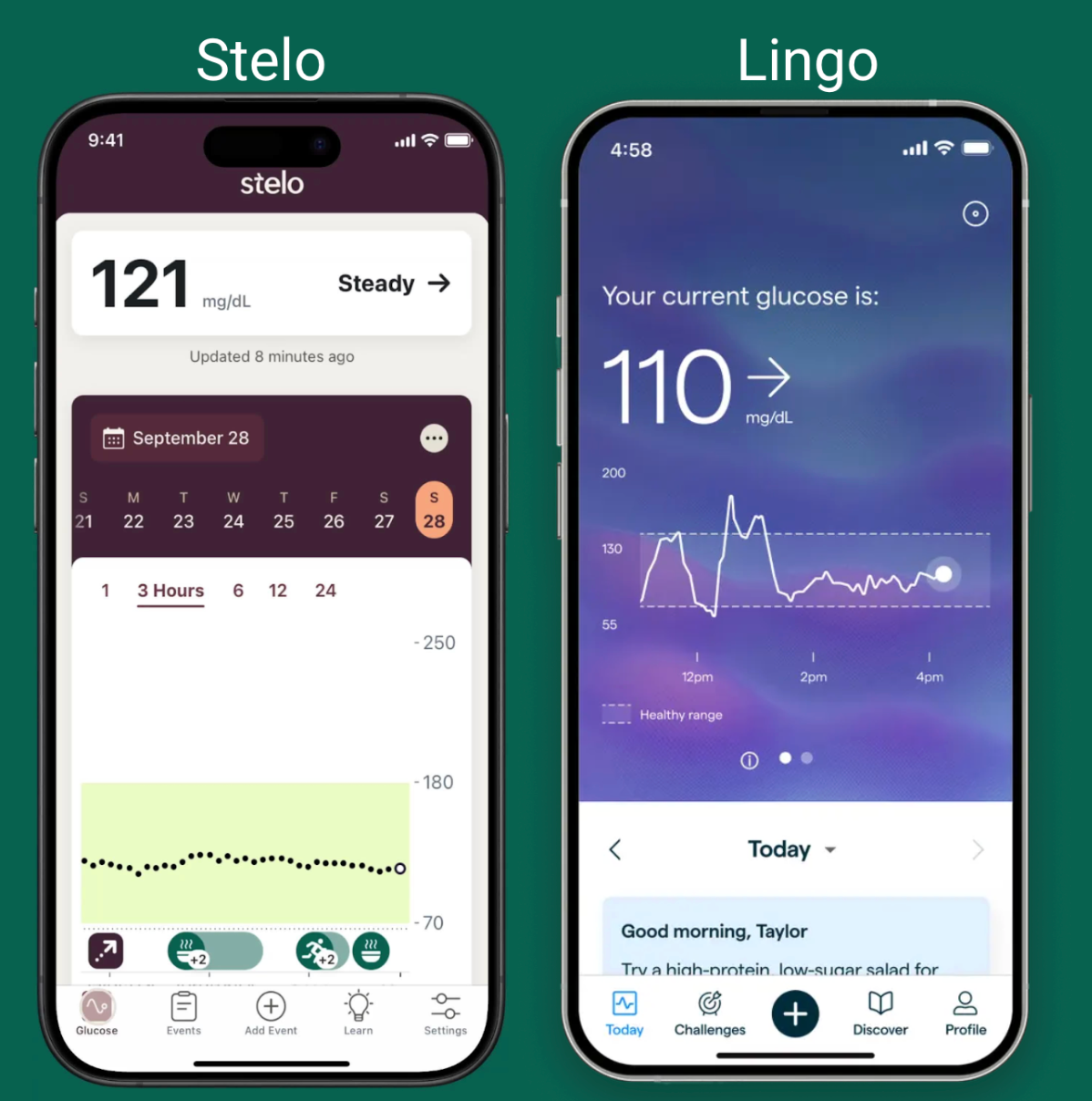
Dexcom Stelo
The Dexcom Stelo is known for its simple user interface and allows you to track your meals, exercise and other events that impact blood sugar directly in the app.
You can also set a target range (e.g., 70 to 125 mg/dL) and then track your glucose levels over time. Previously, you could only see the past several hours of glucose readings, though a recent update now allows you to see the past 1, 3, 6, 12, or 24 hours on the screen. You can also select a previous date from the time that you first inserted the sensor.
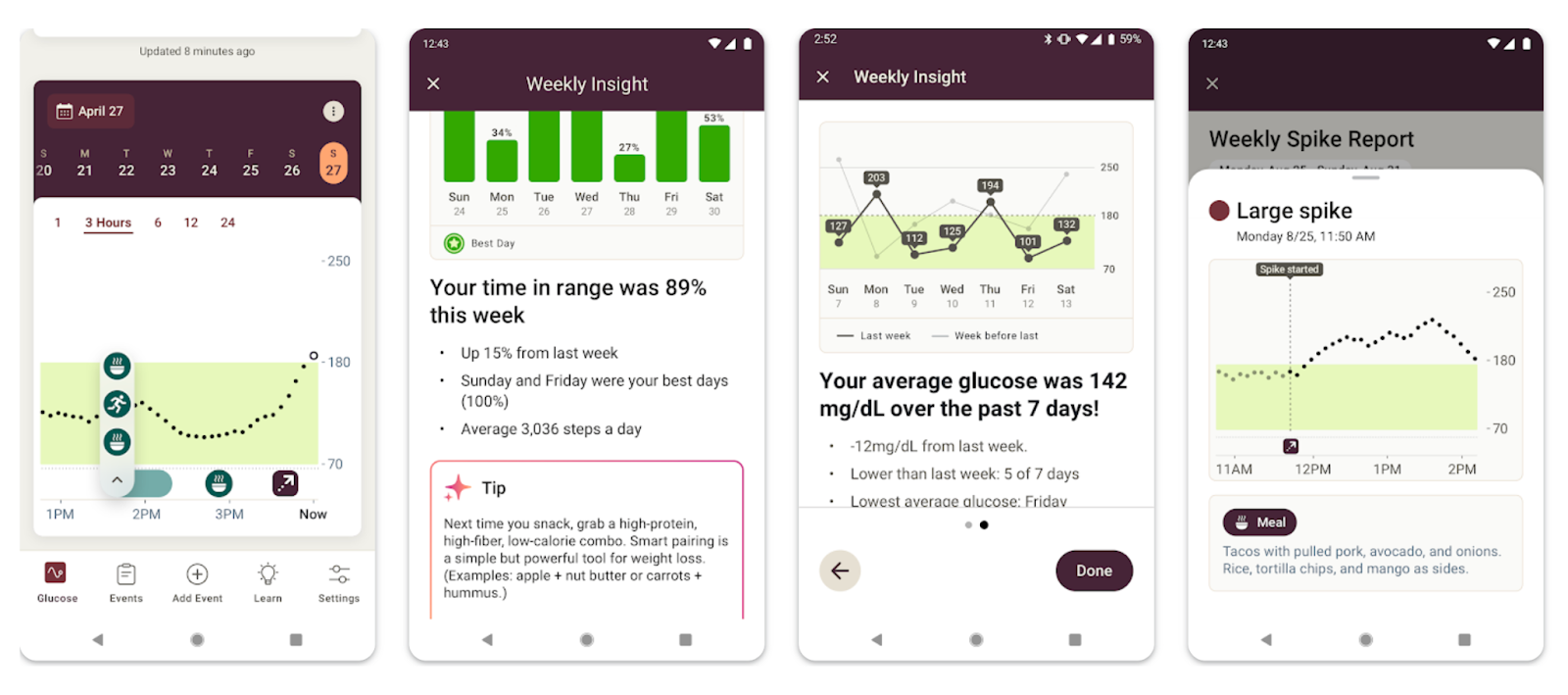
Additionally, there’s a weekly insights report:
The Dexcom Stelo is currently available on Amazon for about $95.
Inside the package, you receive two sensors, each of which last about 15 days, and access to the accompanying app.
The downside is that you can’t purchase just one sensor, so it’s a significant investment ($95) if you just want to try it out once.
Additionally, the app only updates glucose readings about every 15 minutes, which may not be fast enough if you want real-time insights during a workout to adjust fueling accordingly.
Abbott Lingo
The Abbott Lingo is very similar to the Dexcom Stelo as you can see that it shows your glucose levels over time, allows you to track meals and exercise, and gives you overview reports.
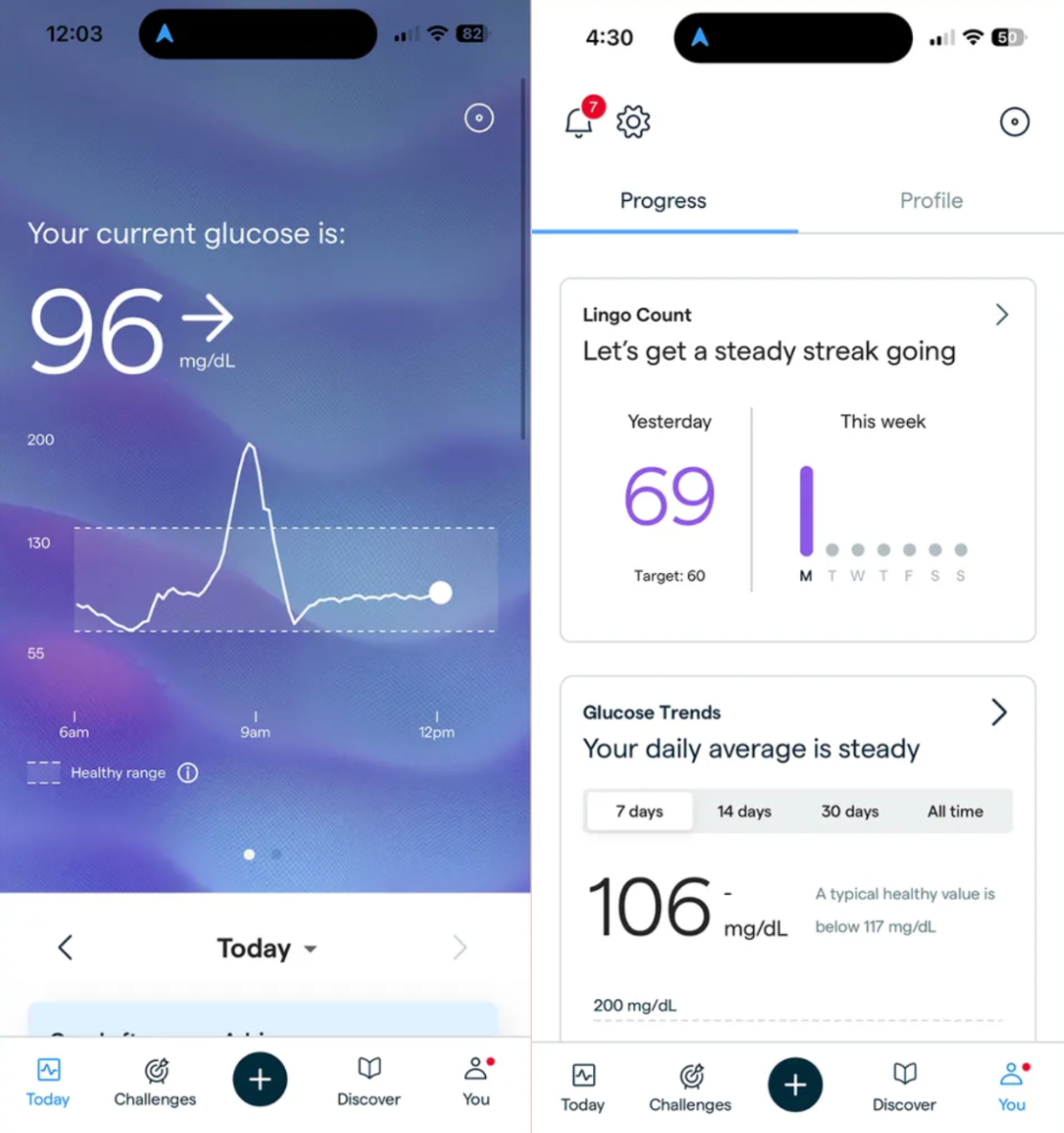
However, it’s only available for iPhone users and therefore isn’t an option for Android users.
Though unlike the Dexcom Stelo that only updates every 15 minutes, the Abbott Lingo updates every minute, which can be useful if you’re using an OTC CGM to monitor glucose levels during a workout.
You can also purchase just one 14 day sensor, which brings the cost down to about $47.
If you plan to use the OTC CGM over a long period of time (e.g., multiple months), this doesn’t make much of a difference, as two of the Abbott Lingo sensors costs roughly the same as two Dexcom Stelo sensors.
Nevertheless, if you just want to try out an OTC CGM as an experiment, it might be a more cost effective option.
Neither is necessarily better than the other, but if you’re an Android user, I’d suggest the Dexcom Stelo. Alternatively, if you’re an iPhone user and plan to leverage the OTC CGM insights for general health and wellness, you might want to use the Abbott Lingo to attain up-to-the-minute insights.
How Are OTC CGMs Different From Medical CGMs?
Both OTC CGMs and CGMs that require a prescription function in a very similar way.
Both use a tiny filament inserted just under the skin to measure glucose in interstitial fluid, providing continuous real-time readings throughout the day.
They also both connect to smartphone apps, allowing you to track trends, visualize patterns, and gain insights into how meals, exercise, sleep, and stress affect blood sugar.
Both devices are minimally invasive, easy to wear, and generally painless, with sensors lasting anywhere from 10 to 14 days depending on the brand.
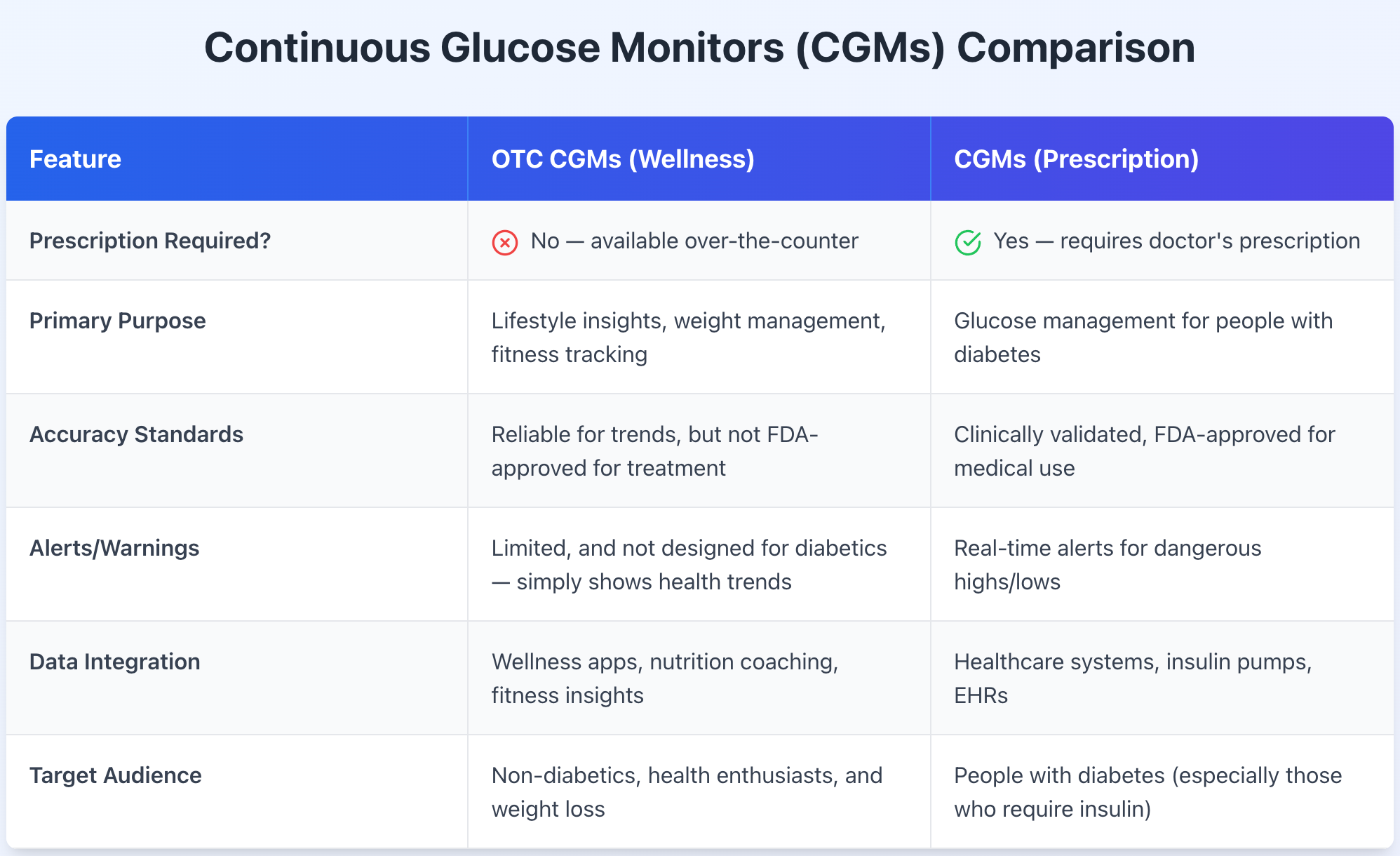
However, there are a few key differences, which we outlined below:
Tips for Getting the Most Out of an OTC CGM
Simply having blood glucose data won’t make you healthier. You also need to use that data to make changes to your lifestyle.
Here are a few tips to make the most of your OTC CGM.
1. Pair Your CGM With a Food and Activity Log
Tracking your meals, snacks, and workouts will help you understand what foods and actions impact your glucose levels. This data will allow you to identify patterns over time and adjust your diet and workouts accordingly.
For example, if you had a chicken chipotle bowl for lunch, this graph shows that glucose levels remained stable, illustrating that this is a great lunch for you.
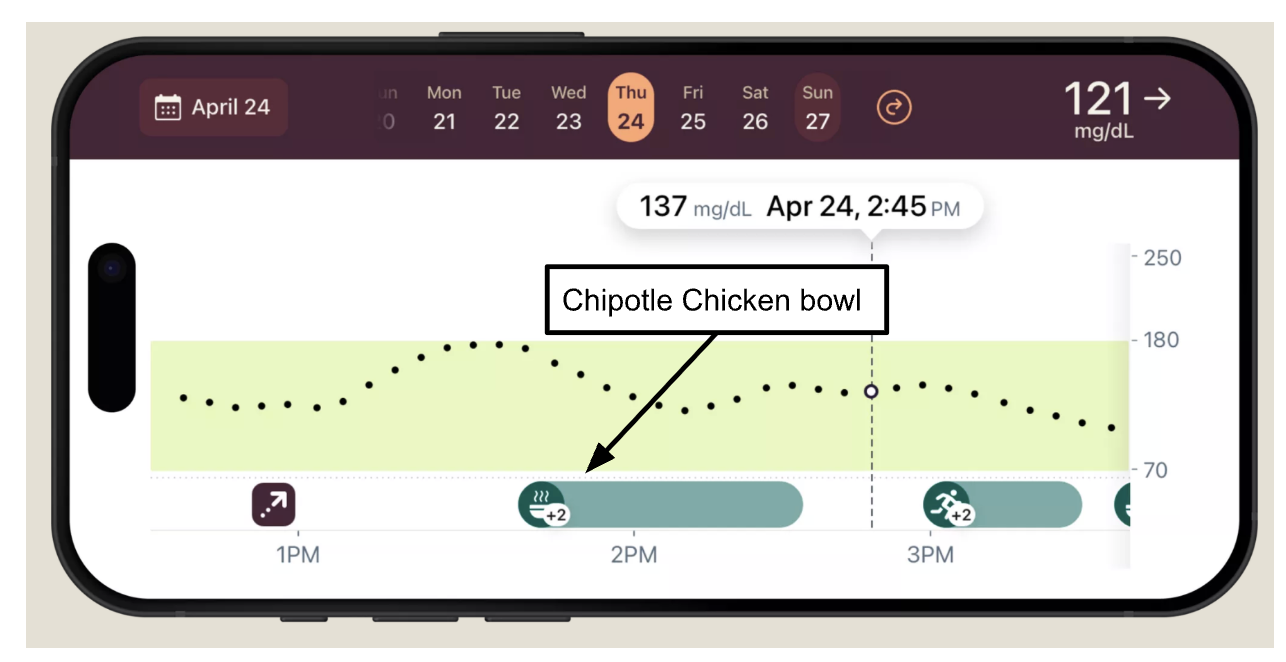
Both the Dexcom Stelo and Abbott Lingo allow you to track meals and workouts directly inside the app, so take advantage of those features.
2. Experiment in Short Cycles
If you notice a blood sugar spike, there might be multiple variables that could have caused it.
Treat your CGM as a mini-experiment platform.
Try changing one variable at a time, like swapping a high-carb breakfast for a protein-rich alternative, or adjusting the timing of a workout.
Track the results for 1-2 weeks and see how your glucose levels change. This iterative approach helps you understand your unique metabolism without making sweeping changes all at once.
3. Hold Yourself Accountable
Even if you know you should avoid a specific food for maximum performance or to attain your weight loss goal, it can be hard to resist cravings.
This is where an accountability buddy can help. Share your OTC CGM data with them and commit to keeping your glucose levels within a specific range.
To ensure the accountability is meaningful, consider staking money on it.
This is why we created Wearable Challenge. It’s an OTC CGM challenge where participants stake $20 per day to stay under 120 mg/dL for 14 days.
You compete in a cohort with other users which makes the experience more fun and the friendly competition adds motivation.
Should You Invest in an OTC CGM?
If you’re curious about how your body reacts to food, exercise, and daily habits, or just want to boost your energy, performance, or weight management, an OTC CGM can be a game-changer.
Joining a program like the Wearable Challenge makes it even easier by adding accountability and guidance to turn your data into actionable changes.
Not everyone needs a CGM, but for anyone who likes tracking and optimizing their health, it’s definitely worth trying, even just for a short test run.