Glucose Monitoring For Non-Diabetics: An Actionable Guide


There's growing interest in glucose monitoring among non-diabetics who want to:
- Lose weight
- Improve athletic performance
- Enhance general health and wellness (sleep, mood, etc.)
In fact, the FDA cleared the first over-the-counter (OTC) CGMs for consumers in March 2024.
In this post, we'll discuss the specific benefits of glucose monitoring for non-diabetics as well as actionable ways you can use a CGM to attain your goals.
Why is Glucose Monitoring Beneficial for Non-Diabetics?
Maintaining steady blood sugar levels helps with goals like weight loss, athletic performance, better sleep, and sharper mental focus.
But why?
To answer this question, let's break down what happens when your glucose spikes.
When your blood sugar rises after a meal, your body releases insulin to lower it.
The higher the spike, the more insulin is released. If insulin is too effective, it may overshoot and bring blood sugar below a healthy range.
This drop is often known as a "crash."
The body uses glucose for energy, so during a crash when there's less glucose available, you'll likely experience mental and physical fatigue.
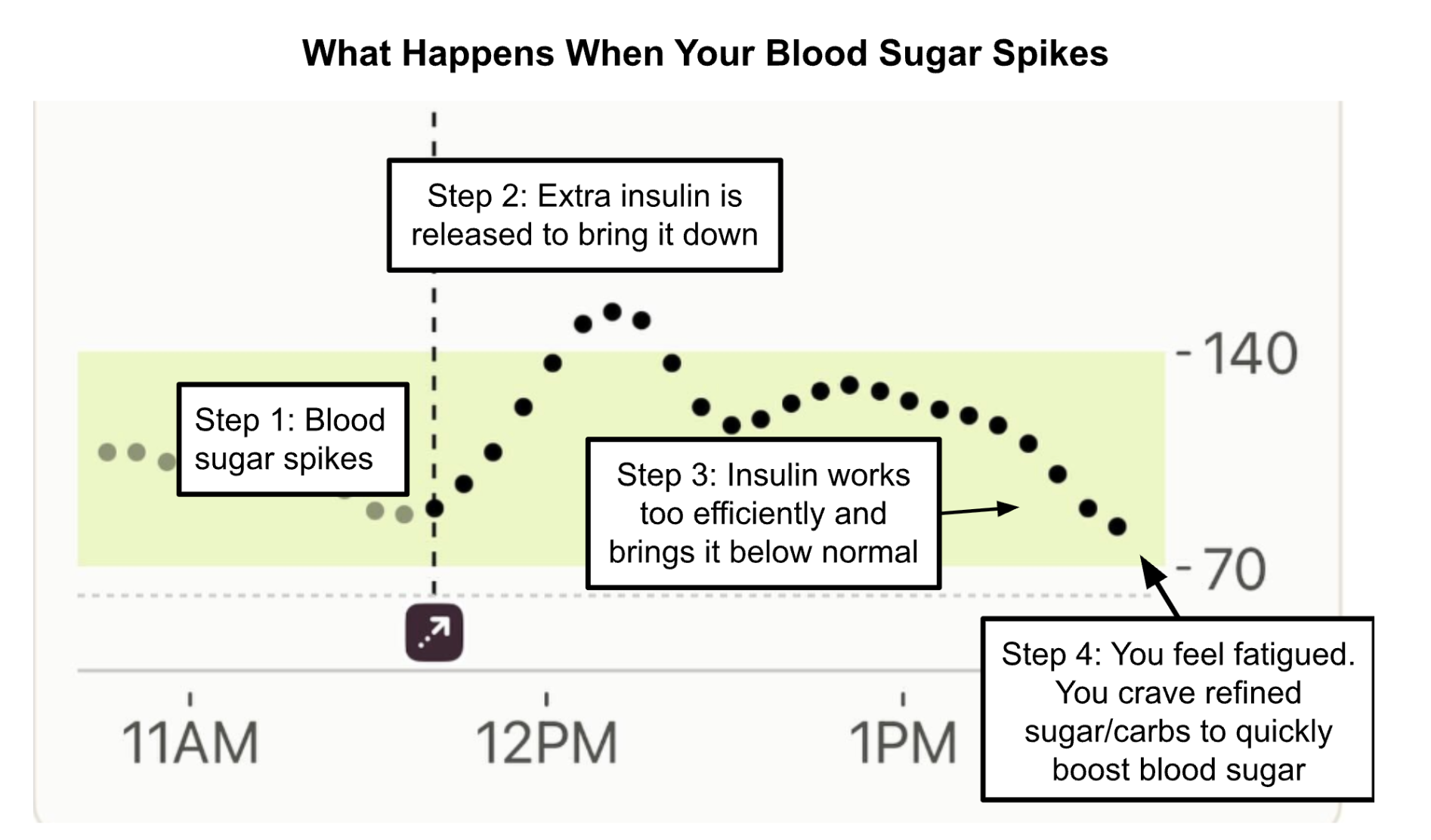
To counteract the crash and raise glucose as quickly as possible, the body signals hunger, even if you just ate.
To make matters worse, you'll likely crave foods high in refined sugars and carbs as the body's goal is to raise glucose as quickly as possible.
As most foods high in refined sugars and carbs are calorically dense, it's easy to overeat and ultimately gain weight.
Additionally, you'll restart the cycle if you give in to those cravings and consume more food that spikes glucose.
Maintaining steady glucose levels allows you to avoid this cycle, leading to more consistent energy and reducing cravings for foods high in refined or processed carbs.
The Benefits of Glucose Monitoring For Non-Diabetics
Here’s a more granular overview of how glucose monitoring can benefit non-diabetics.
1.) Maximize Athletic Performance
Glycogen is a form of glucose that is stored in the muscle and is the main source of energy for exercise.
If you want to push harder at the gym, you therefore need to have sufficient glycogen available for your muscles to function at their best.
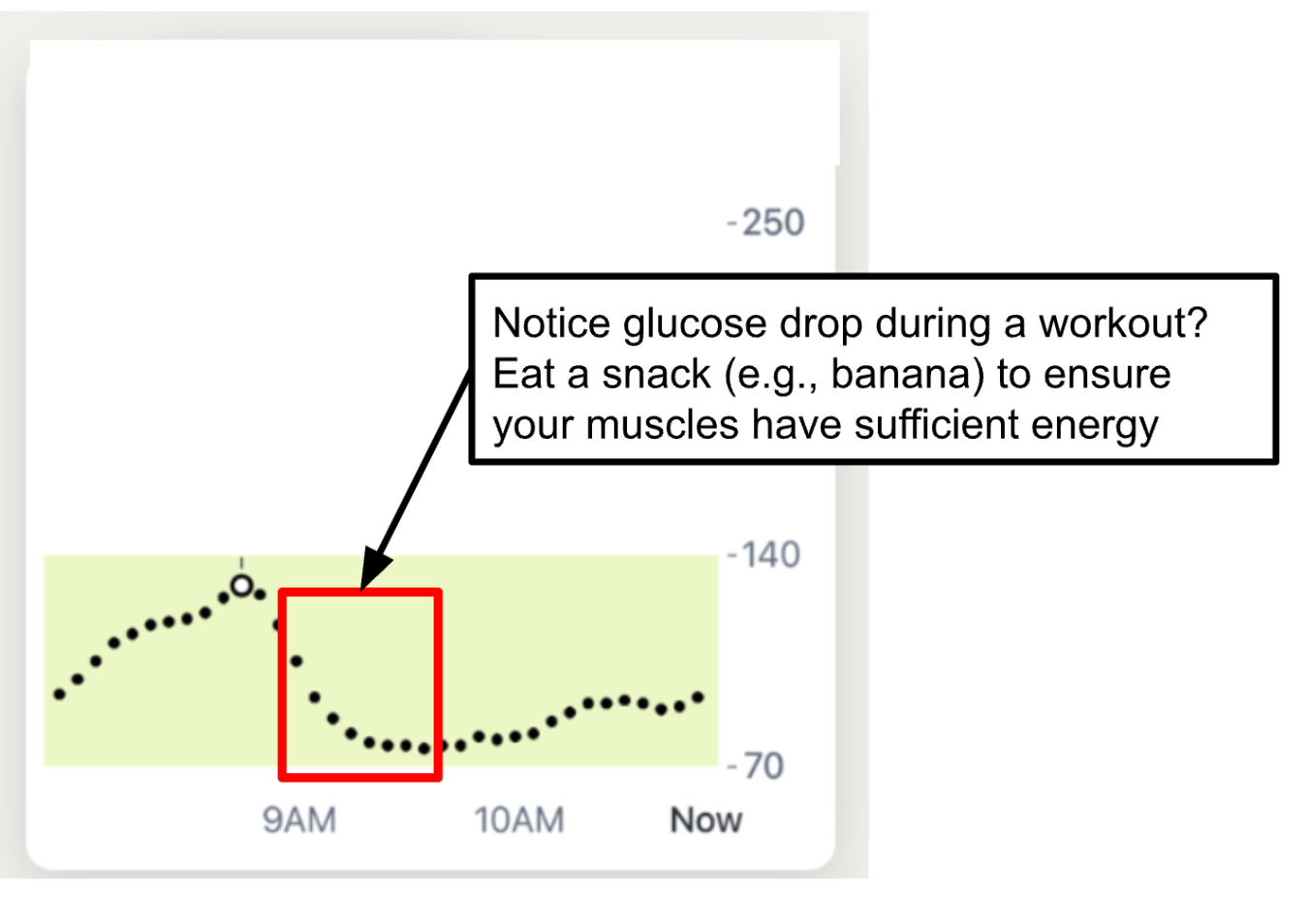
Therefore, if you notice that your blood sugar is low during a workout, you'll know that you should consume a snack, like a gel pack or banana, to steadily bring glucose levels back to a healthy level to continue performing at your maximum potential.
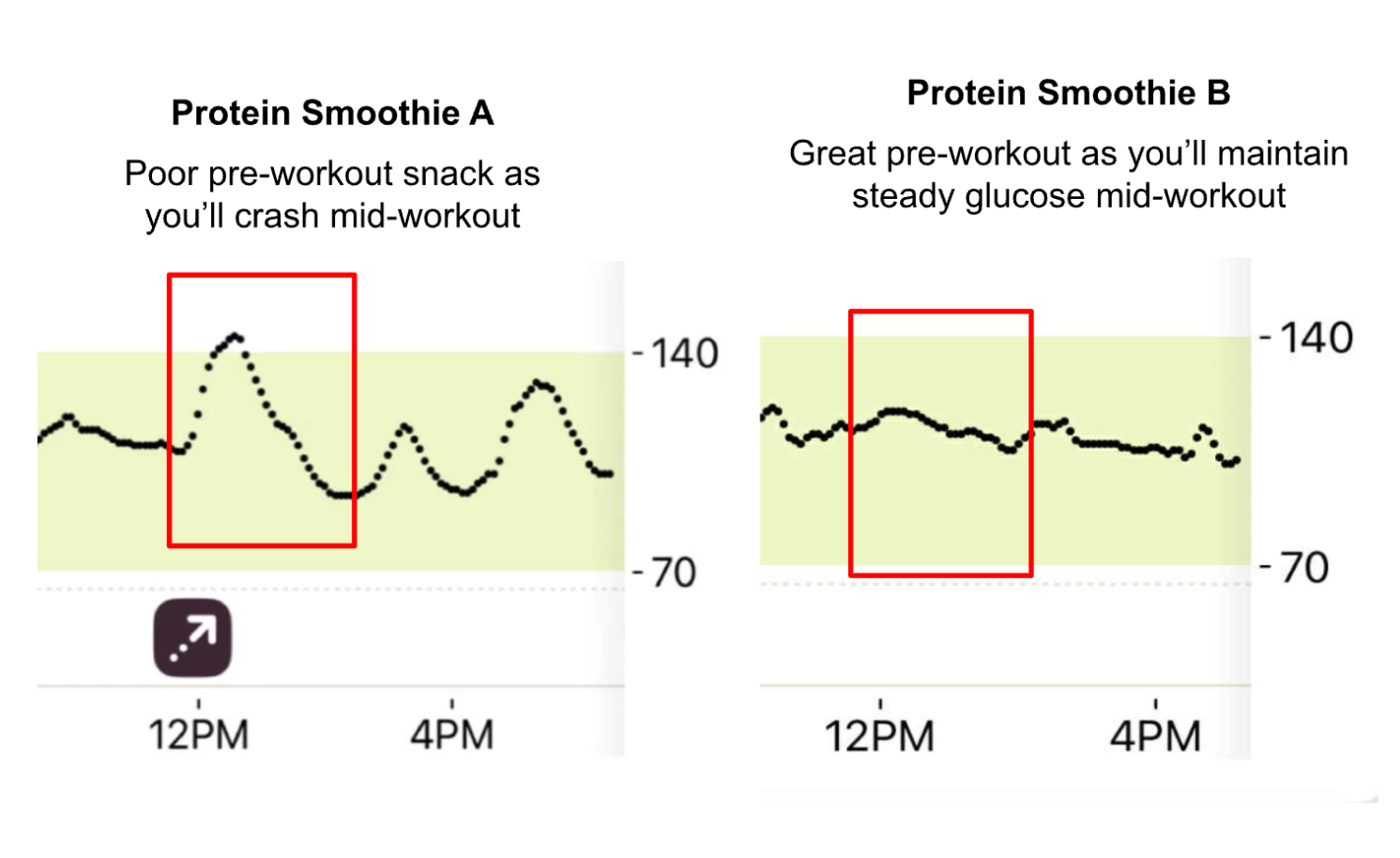
Additionally, avoid pre-workout snacks that spike glucose, as you’ll experience a crash during the workout.
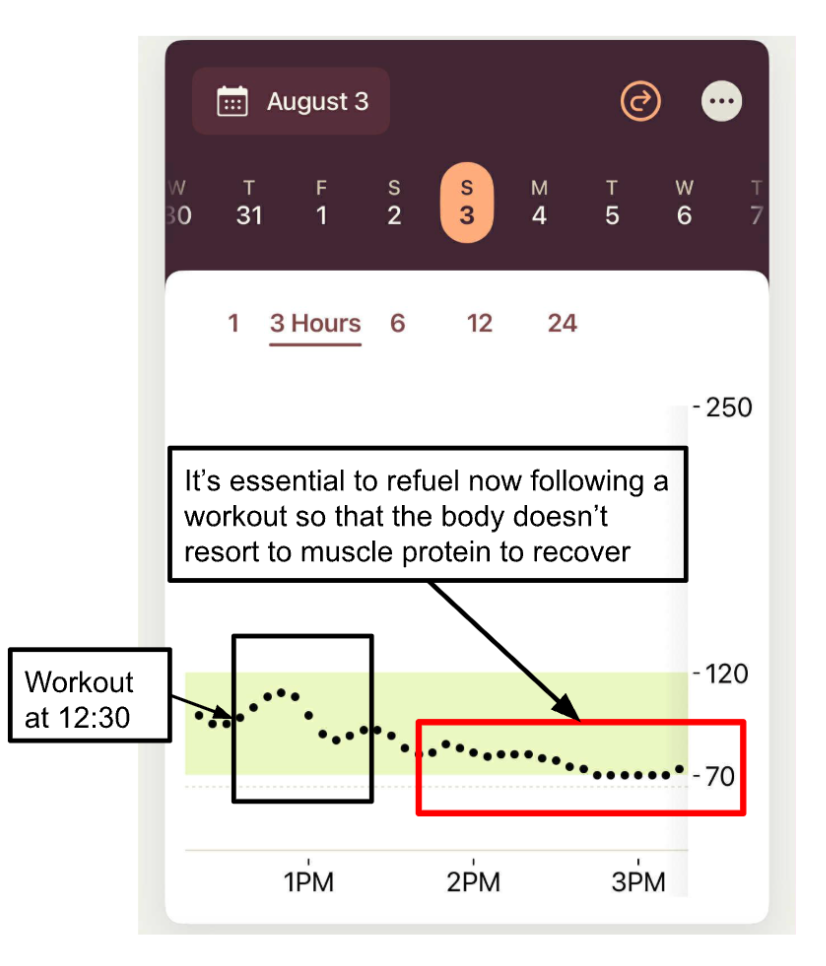
Maintaining steady glucose after a workout is also beneficial for optimal recovery.
To recover effectively, you need insulin to transport amino acids from protein into your muscles, helping them recover and build. If glucose levels are too low, there won't be much insulin available to shuttle the amino acids from protein to the muscles, which hinders recovery.
2.) Attain Weight Loss Goals
Weight loss only occurs if you burn more calories than you eat, so why would maintaining stable blood sugar lead to weight loss?
While stable blood sugar doesn't directly cause you to lose weight, it can reduce hunger and cravings.
As we mentioned earlier, you'll feel hungry and crave foods high in refined sugars and carbs during a blood sugar crash, even if you've eaten recently.
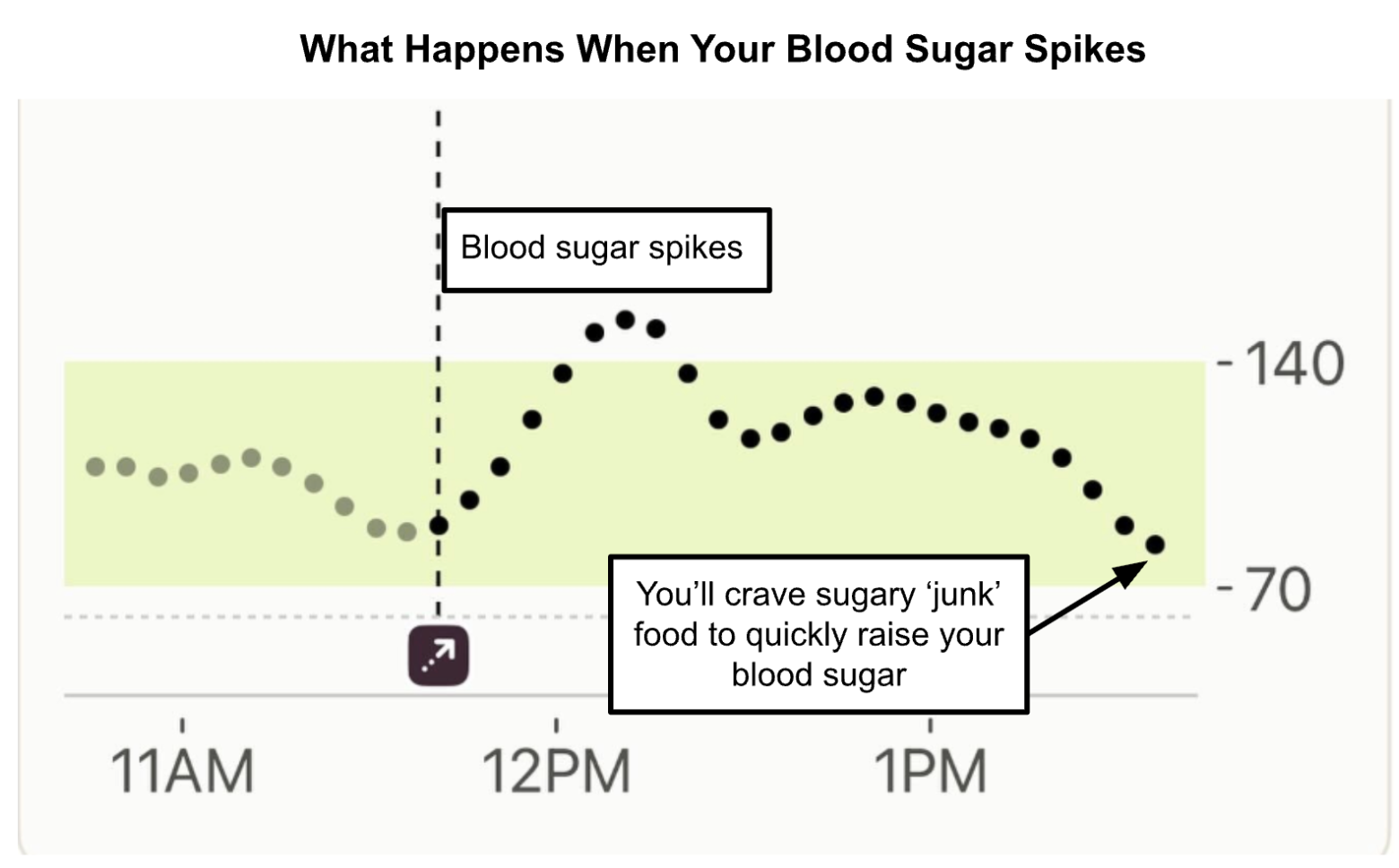
So even though steady blood sugar doesn't necessarily cause weight loss, you're more likely to lose weight if you don't experience hunger or crave foods high in refined sugar or carbs.
3.) Improve Sleep Quality
Both high and low blood sugar levels can interfere with your ability to fall and stay asleep.
High blood sugar before bed can overstimulate the nervous system, raising cortisol and adrenaline, making it difficult to relax. It can also cause frequent urination, dehydration, and feelings of discomfort, all of which interrupt sleep.
On the other hand, low blood sugar triggers a stress response, releasing cortisol and adrenaline, which can wake you up, trigger appetite, and lead to insomnia, nightmares, sweating, or sudden arousals during the night.
These disruptions can create a vicious cycle: poor sleep impairs glucose regulation, and fluctuating blood sugar levels continue to interfere with sleep.
4.) Peak Mental Performance
Glucose is the brain’s primary source of energy.
In fact, studies show that the brain consumes over 25% of the body’s glucose, despite the fact that it only makes up 2% of your body weight.
That said, glucose levels have a huge impact on mental performance.
When blood sugar spikes, the sudden influx of glucose activates the brain's reward centers, causing a surge of dopamine to be released.
This disrupts the normal balance of neurotransmitters needed for stable focus.
Additionally, the excess glucose from the bloodstream damages tiny blood vessels and triggers a low-grade inflammatory response in the brain.
This inflammation causes the nerve signals to be transmitted at a slower pace, causing your mental sharpness to decline. This feeling is often referred to as “brain fog.”
Mental performance is also impaired during the crash when your blood glucose drops below a healthy average.
Specifically, the lack of available glucose during a crash means your neurons won’t have the energy they need to function.
This is a problem because your thinking speed and mental endurance rely on the neuron’s ability to communicate between brain cells.
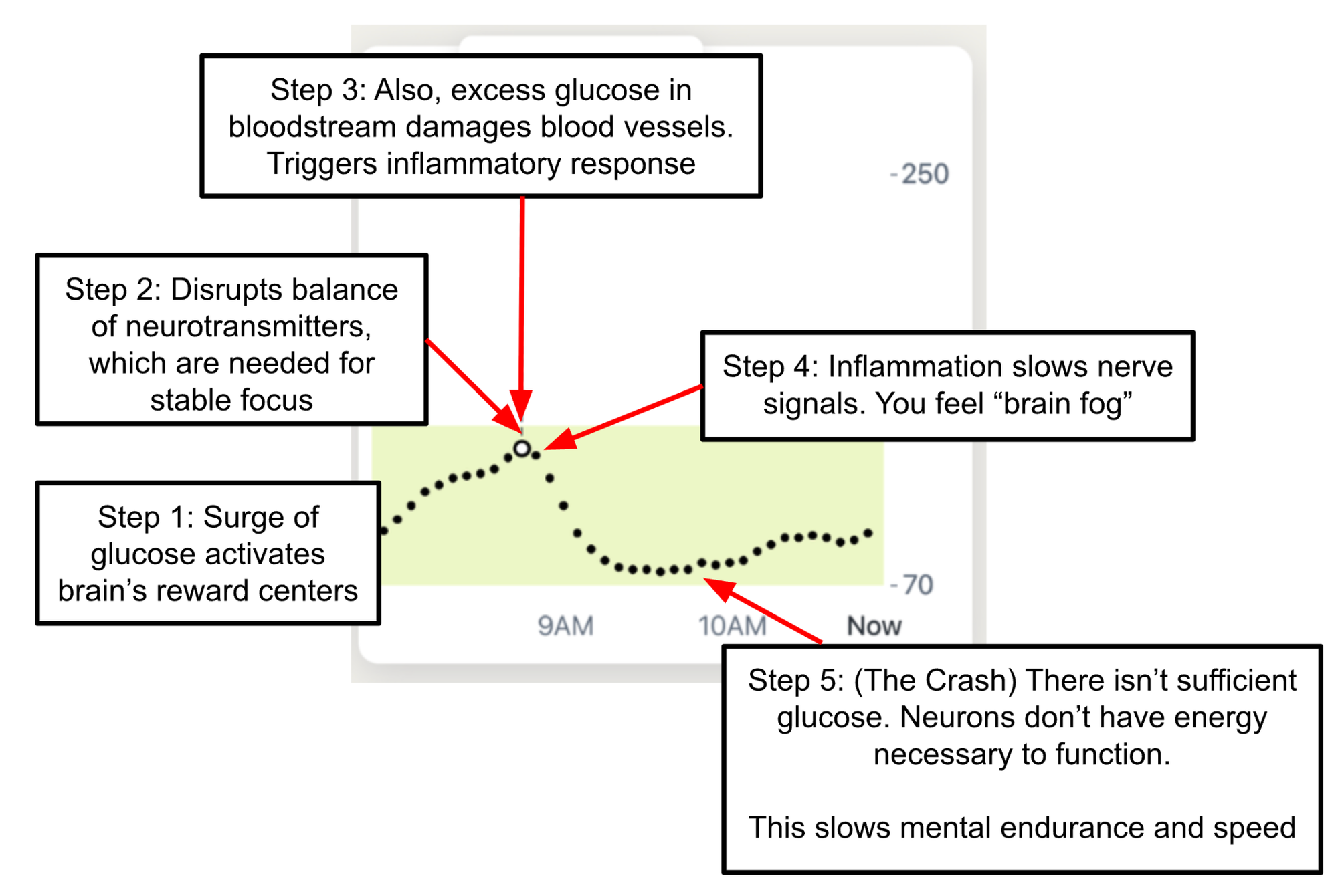
As a result, you won’t think as quickly and your cognitive performance will decline.
The crash following the spike will also negatively impact your ability to form and create memories. This is because key brain regions involved in memory, like the hippocampus, are particularly sensitive to glucose levels.
Studies show that even a single high-sugar meal can significantly impair memory.
5.) Improve Mood and Reduce Irritability
During a glucose spike, the body releases cortisol (a stress hormone) from the adrenal glands. This hormonal surge can increase feelings of tension, nervousness, and anxiety.
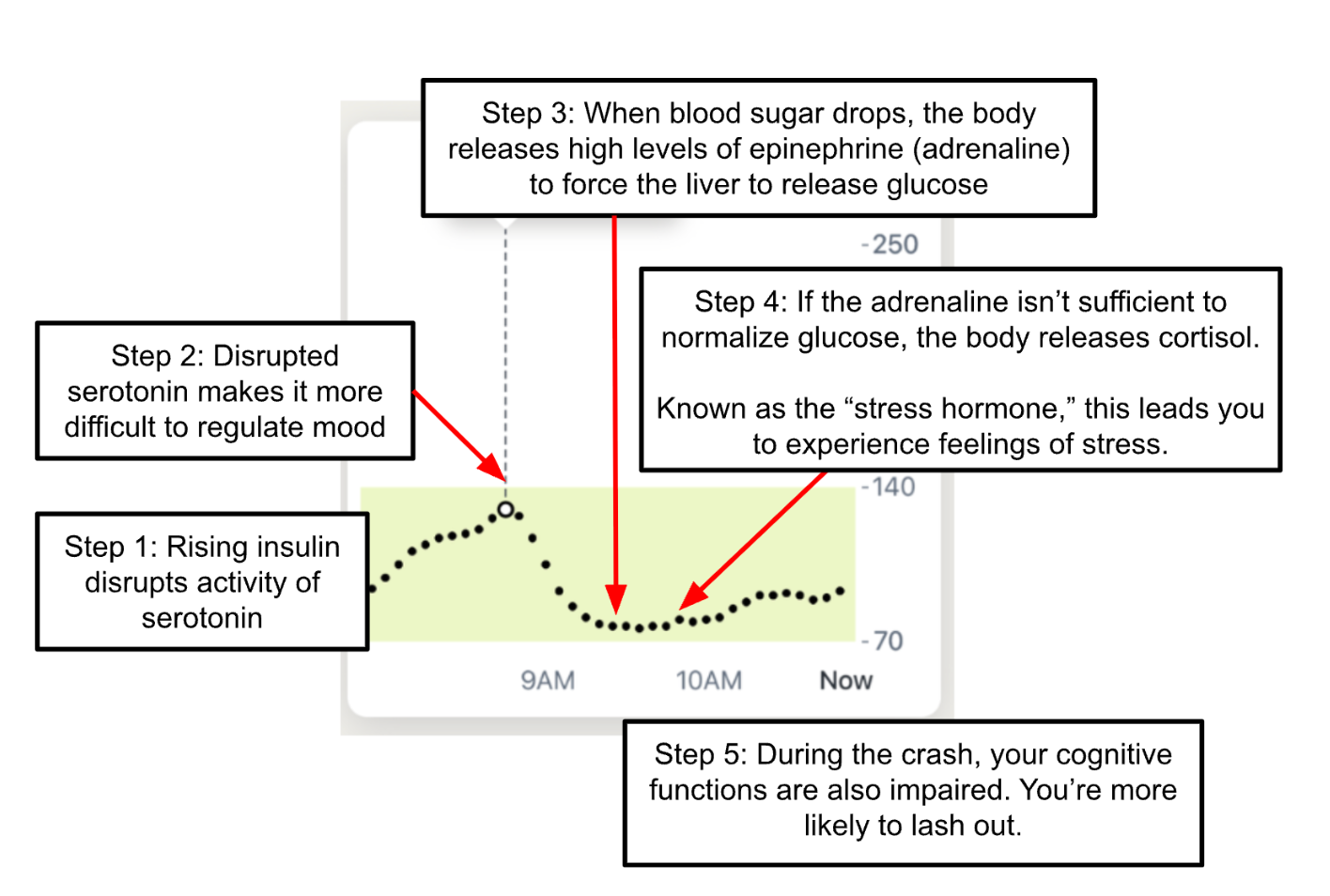
If your glucose and insulin levels are elevated, the synthesis and activity of other key neurotransmitters, like serotonin, are interrupted.
As serotonin helps regulate your mood, you may experience feelings of depression and irritability.
Additionally, when blood sugar levels plummet below a normal threshold, the body releases high levels of epinephrine (adrenaline) to force the liver to release stored glucose.
This adrenaline surge activates the body's "fight-or-flight" response, which can cause feelings of panic and anxiety.
If adrenaline fails to normalize glucose levels, the body releases cortisol as a secondary response. This combination puts the body in a state of stress that leads to feelings of irritability.
Finally, as we explained earlier, cognitive functions are also impaired during a crash, and you’re more likely to lose self-control and lash out.
However, if you maintain stable blood sugar levels, you’ll be better equipped to handle difficult situations.
How Can Non-Diabetics Monitor Glucose?
Traditionally, CGMs were only available to diabetics through a prescription.
However, the rising interest in glucose monitoring for general health and wellness has led to the introduction of several OTC CGMs that are available to non-diabetic consumers without a prescription.
Cleared by the FDA in 2024, there are currently two OTC CGMs on the market:
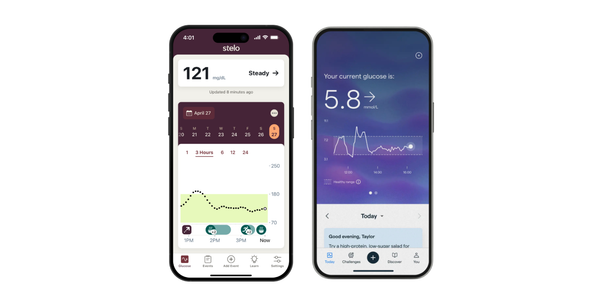
Both are quite similar and allow you to view your current blood sugar level and historical trends:
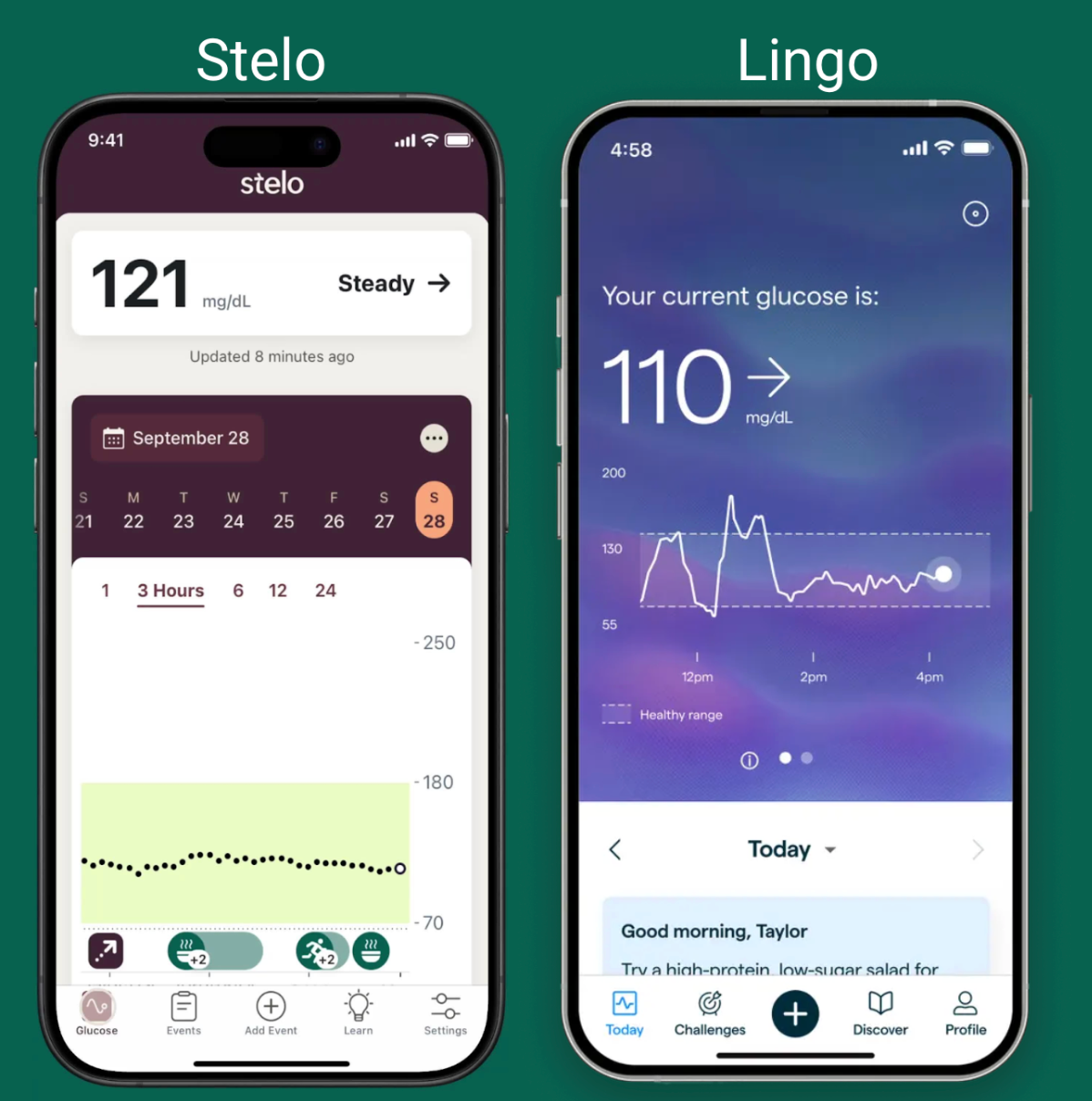
You can also log your food, exercise, and other activities that may impact your glucose levels directly inside the app. This feature is helpful for identifying trends and patterns so that you can adjust your habits to fit reach goals.
Some find that the Dexcom Stelo user interface is slightly more simplistic and user friendly, but the features are still quite similar.
There are just a few noteworthy differences between the two.
First, the Abbott Lingo app updates every minute whereas the Dexcom Stelo only updates every 15 minutes. Therefore, if you’re using the CGM to track your glucose during a workout, the Abbott Lingo may be better.
However, the Abbott Lingo is only compatible with the iPhone, so Android users will have to use the Dexcom Stelo.
Both sensors last about 14 to 15 days, and if you plan to buy a month’s supply (two sensors), the pricing is almost equal.
However, the Dexcom Stelo only sells sensors in packs of two (about $95), whereas the Abbott Lingo allows you to purchase just one sensor at a time (about $45 for one).
If you’re just curious about CGMs and want to try one out, the Abbott Lingo is a more affordable option.
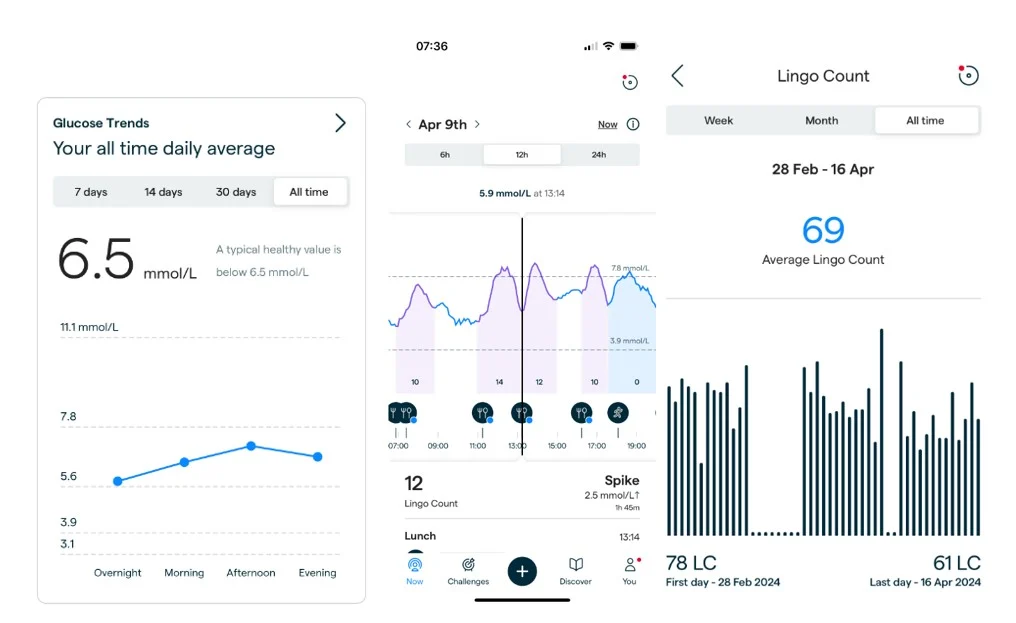
Here are some more screenshots of the Abbott Lingo:
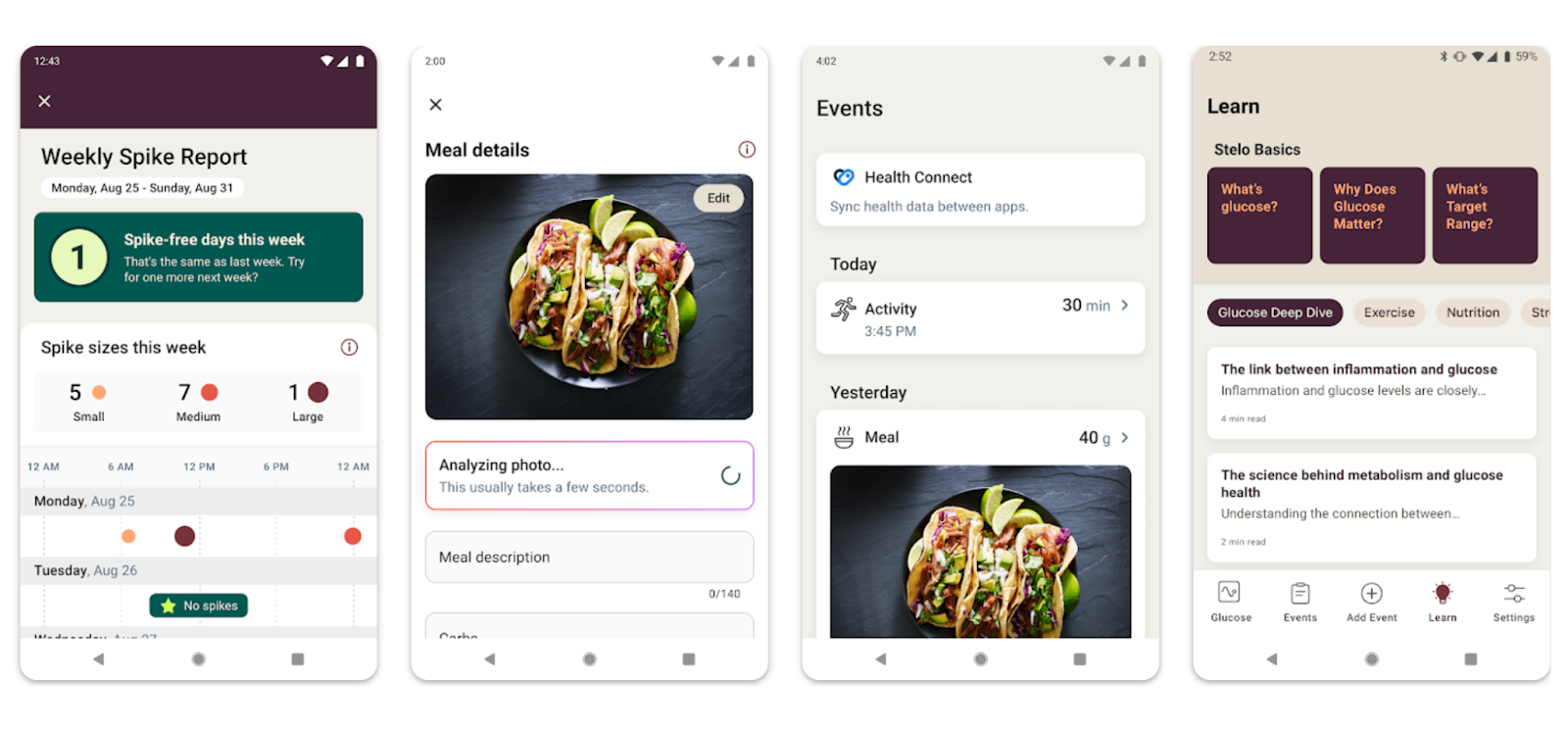
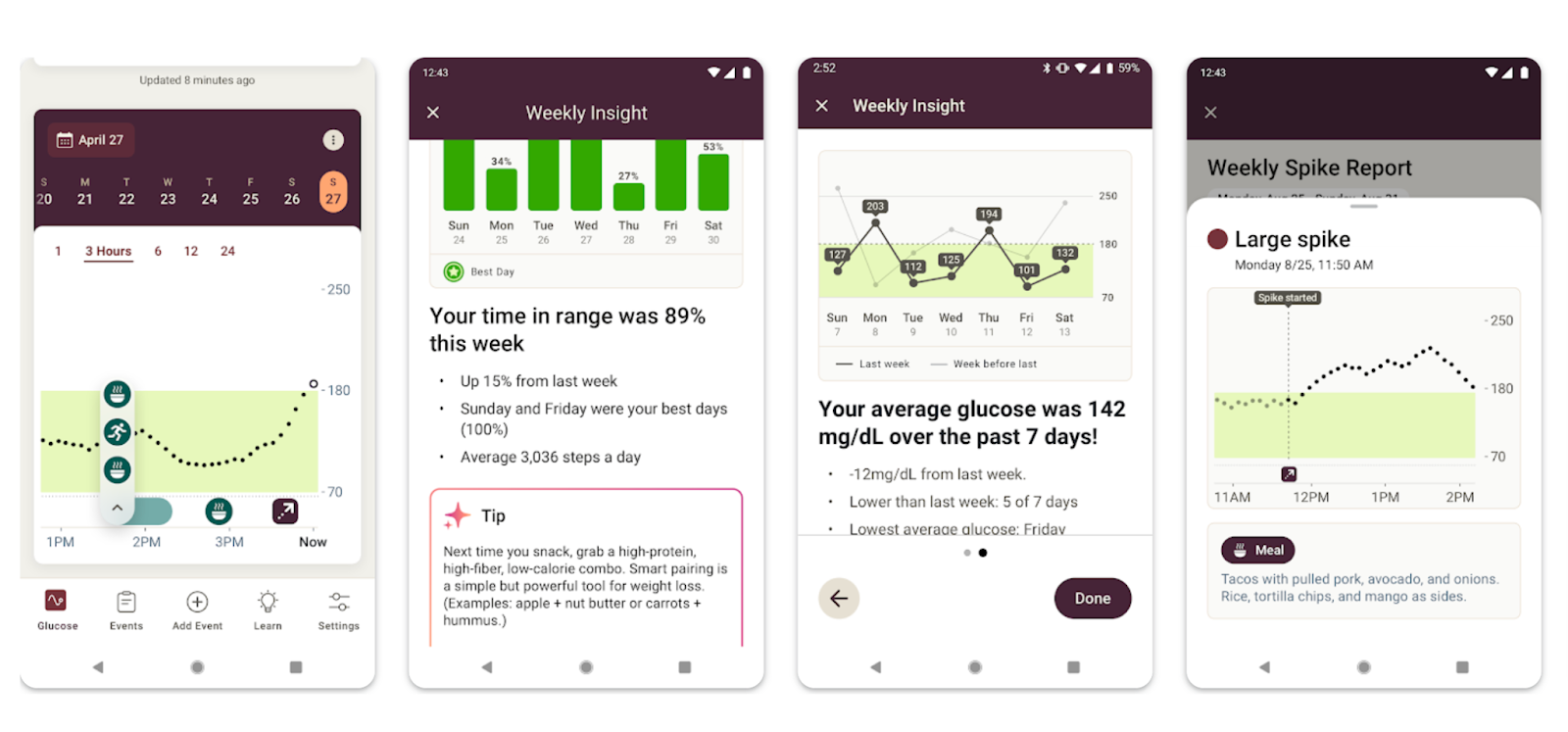
And here are some screenshots of the Dexcom Stelo:
How To Use a Glucose Monitor Effectively
Once you have an OTC CGM, simply collecting data won’t help you improve your health. So how do you use it? Here’s a simple list of action items to help you make the most of your OTC CGM.
1.) Track How Specific Foods Impact Your Diet
One of the biggest benefits of an OTC CGM is that it allows you to understand how specific foods impact your blood sugar.
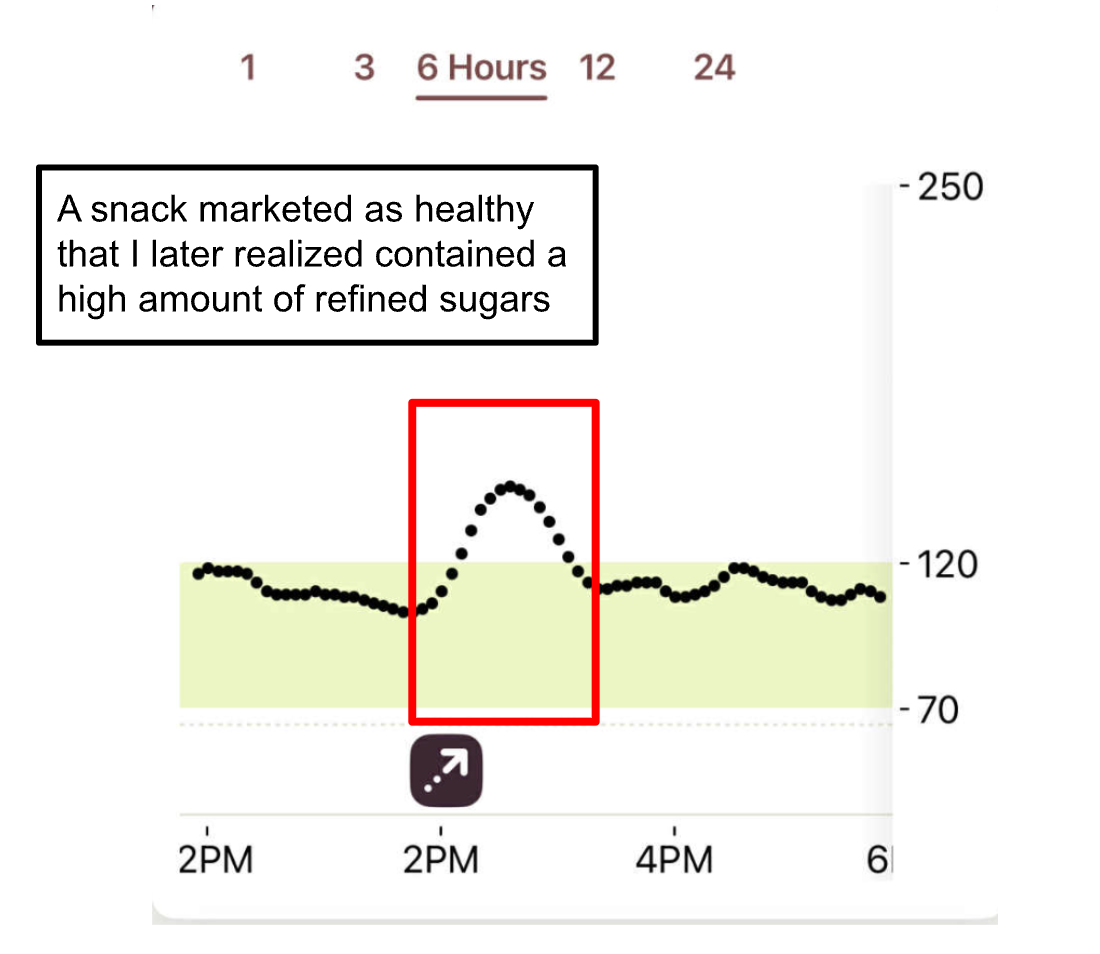
Plenty of foods are marketed as healthy but actually contain a lot of sugar and spike blood sugar.
Logging your meals will help you identify these foods that contain hidden sugars and make better choices.
For example, this is the graph of a snack I ate that was marketed as “healthy” but actually contained a significant amount of refined sugar:
2.) Use Your Glucose Monitor to Fuel For Workouts Appropriately
Different exercises also impact on your blood sugar differently.
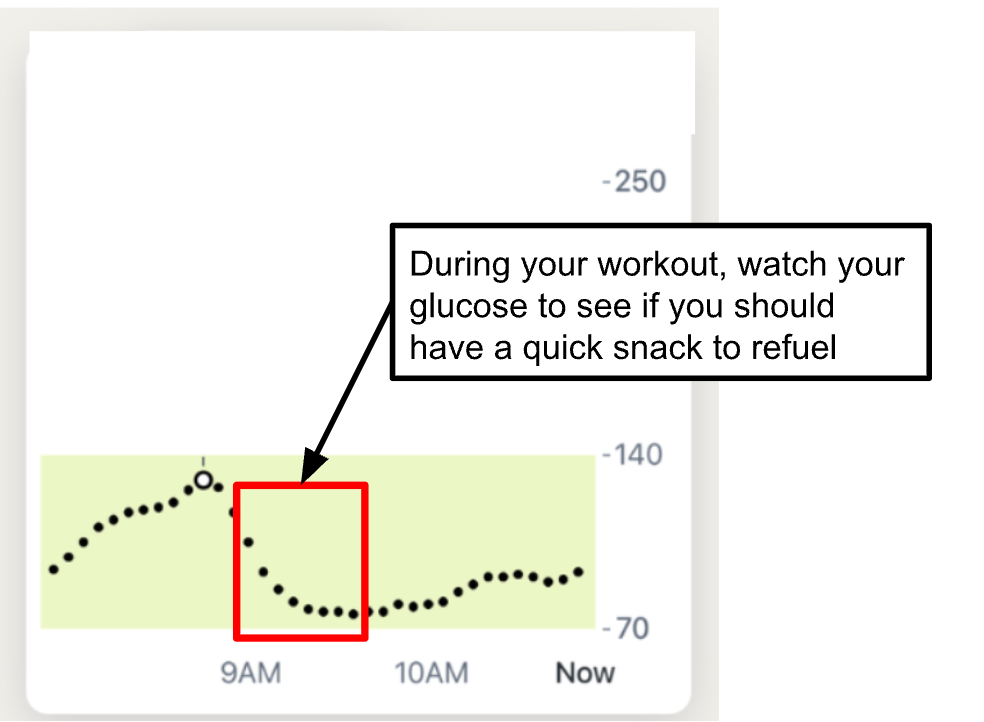
For example, cardio may raise your blood sugar whereas weightlifting may lower it.
To maximize performance, it’s important to know how different exercises impact your body so that you can fuel for each one appropriately.
For example, if you know you’re about to do a long cardio session, you may bring a higher carb snack like a banana to ensure you maintain glucose levels throughout the session.
In contrast, if you’re about to do a weight lifting workout that you know typically raises your blood sugar, you might opt for a meal with mixed protein, fat, and carbs.
For example, chicken breast with a small portion of sweet potato might be a better pre-workout snack than oatmeal.
Additionally, monitor your glucose levels during your workout. If you notice your blood sugar dropping, have a quick, carb rich snack, like a gel pack, to bring it back up to a healthy range.
3.) Monitor Your Glucose Levels To Improve Sleep
As glucose levels have a significant impact on sleep quality, you can use your CGM to monitor your glucose levels before bed and avoid foods that cause a spike.
For example, you might find that late-night snacks or alcohol cause spikes, while balanced dinners with protein and fiber keep your levels steady. Once you understand your own body’s response, you’ll be able to create an evening routine that sets you up for more restorative, uninterrupted sleep.
You may also notice that your glucose levels tend to rise between about 4 a.m. and 8 a.m.
This is a phenomenon called the “dawn effect” and it happens due to cortisol levels rising to wake you up.
While this effect is completely normal, it’s helpful to monitor your glucose levels in the morning and avoid refined carbs and sugar and carbs that may raise your glucose levels higher.
4.) Optimize Meal Timing and Pre/Post Meal Activities
If your glucose spikes, the most important thing is to avoid the following crash that causes hunger, cravings, fatigue, and other negative symptoms.
The good news is that you can use exercise to minimize the resulting crash and help you return to a steady glucose level following the spike.
For example, if you eat a piece of cake and notice your blood sugar increasing, you can go for a walk to minimize the spike and the resulting crash.
Additionally, if you notice that your blood sugar is already rather high before a meal, consider taking one of the following actions:
- Eating a lower carb meal
- Waiting a little longer to eat
- Taking a walk before the next meal
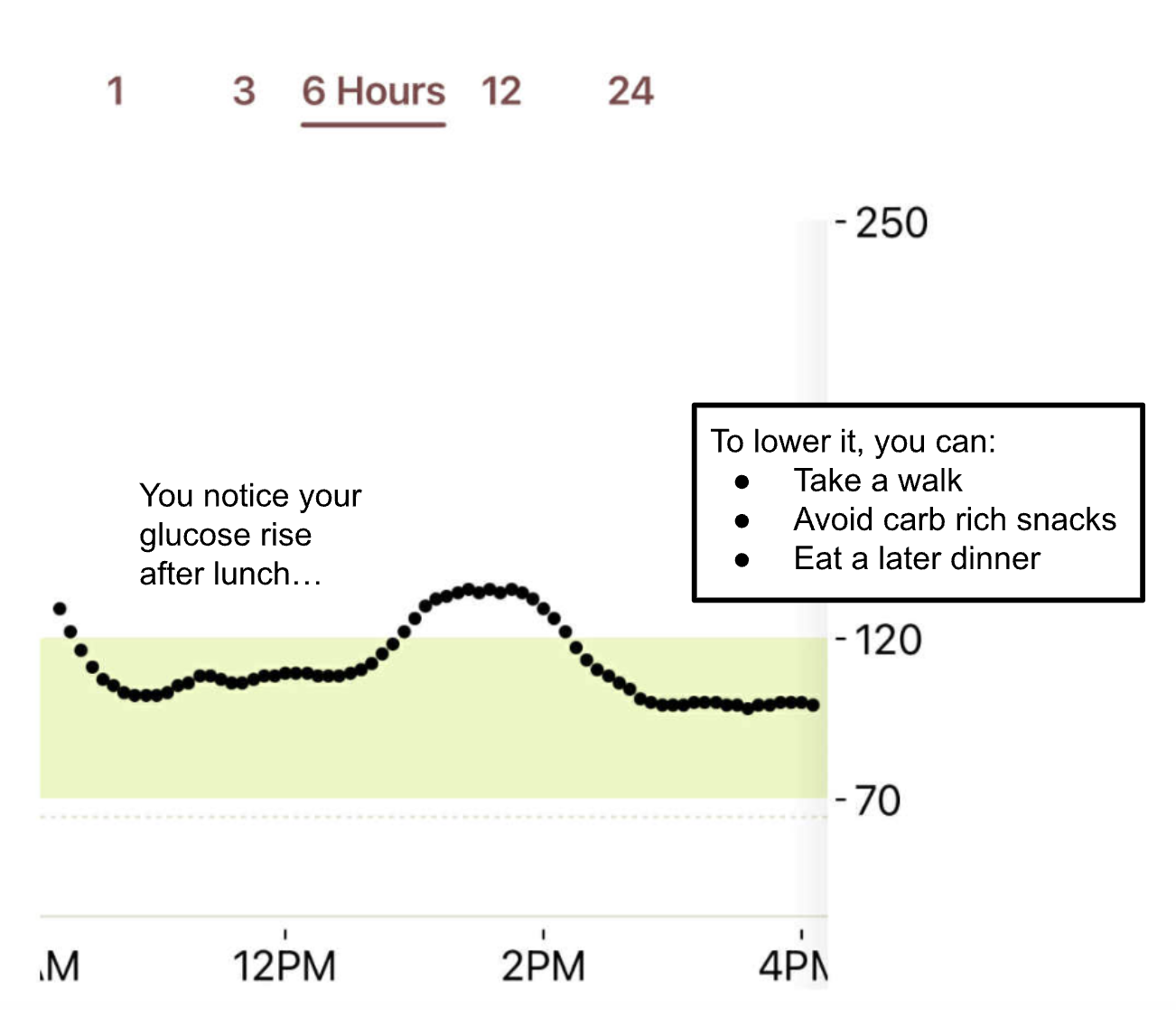
These actions can help you maintain steadier glucose levels throughout the day.
5.) Hold Yourself Accountable
You probably don’t need to wear a CGM to know that eating a large piece of cake will spike your glucose.
However, you might need accountability to consistently make choices that align with your goals.
To solve the accountability problem, we created Wearable Challenge.
Participants wear an OTC CGM for 14 days and stake $20/day to stay under 120 mg/dL (a low, yet healthy glucose level).
The CGM data makes it impossible to cheat and with $20 at stake each day, it’s meaningful accountability to help you reach your goals.
You compete in a virtual cohort with other participants to further ignite friendly competition and make the experience enjoyable.
You can join Wearable Challenge today for free.
How To Make The Most of Your CGM
There are plenty of health and wellness benefits to monitoring your glucose, but none of the data is useful if you don’t take action on it.
This is why Wearable Challenge exists.
It forces you to take action on the data.
For 14 days, you stake $20/day to stay under 120 mg/dL.
If you stay under that number for the day, you keep your $20 and have an opportunity to win the pot.
Join Wearable Challenge today to unlock the best version of yourself.