CGM For Fitness: How to Use Them and Why

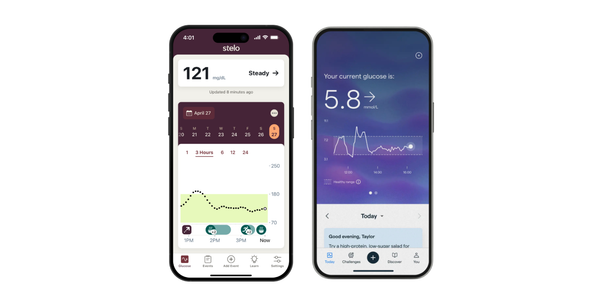
Continuous Glucose Monitors (CGMs) are wearable devices that continuously monitor your glucose levels and provide near-real-time data.
CGMs were previously used strictly for diabetes care, but several over-the-counter glucose monitors are now available to consumers without a prescription.
Today, many world-class athletes use CGMs to maximize performance.
For example, Dutch marathoner Abdi Nageeye and Australian Olympic gold-medalist swimmer Chelsea Hodges both use CGMs to improve their performance.
In this post, we'll discuss how both athletes and regular people use CGMs for fitness.
How A CGM Works
A Continuous Glucose Monitor (CGM) is a small wearable device that's usually placed on the back of your arm or your abdomen.
The sensor sits just under the skin and measures glucose levels in the interstitial fluid (the fluid that surrounds your body's cells).
The sensor's data is then transmitted to a corresponding app that gives you an overview of your glucose trends.
Why Are Glucose Levels Relevant To Athletes?
Glucose is the main fuel your muscles and brain use for exercise, so you must have adequate glucose to train to your maximum potential.
If you don't have enough glucose available, your muscles won't be able to perform to their maximum potential, hindering training progress.
Therefore, if you can keep your glucose levels steady during a workout, without dropping too low, you can prevent fatigue and train harder, which ultimately leads to more progress.
Wearing a CGM and tracking glucose levels is useful because you can adjust your carb intake before and during the workout to maintain stable blood sugar.
How to Use CGMs for Fitness
Here are a few tactical ways athletes use CGMs to improve their performance.
Identify The Right Foods To Eat Before Training
A CGM reveals how your body responds to different snacks, and you can use that knowledge to know what to eat to maintain steady glucose levels throughout your training session.
For example, if you know that oatmeal causes your blood sugar to spike and then crash, it's probably not the best pre-workout snack, as your glucose levels will crash mid-workout and hinder performance.
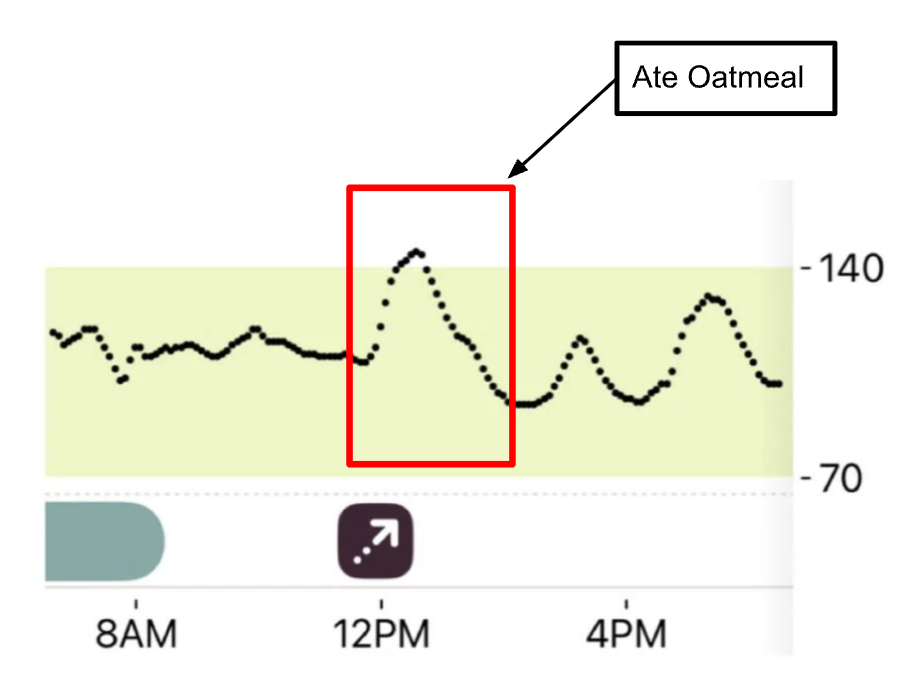
Instead, you might find that your body maintains steadier glucose levels with Greek yogurt and some berries.
Match Your Meals to the Type of Workout
Not all workouts affect glucose in the same way. Intense training sessions can raise glucose temporarily because of stress hormones, while long endurance workouts usually lower it as your body uses the stored glycogen.
For example, during a HIIT workout you might notice your glucose rise.
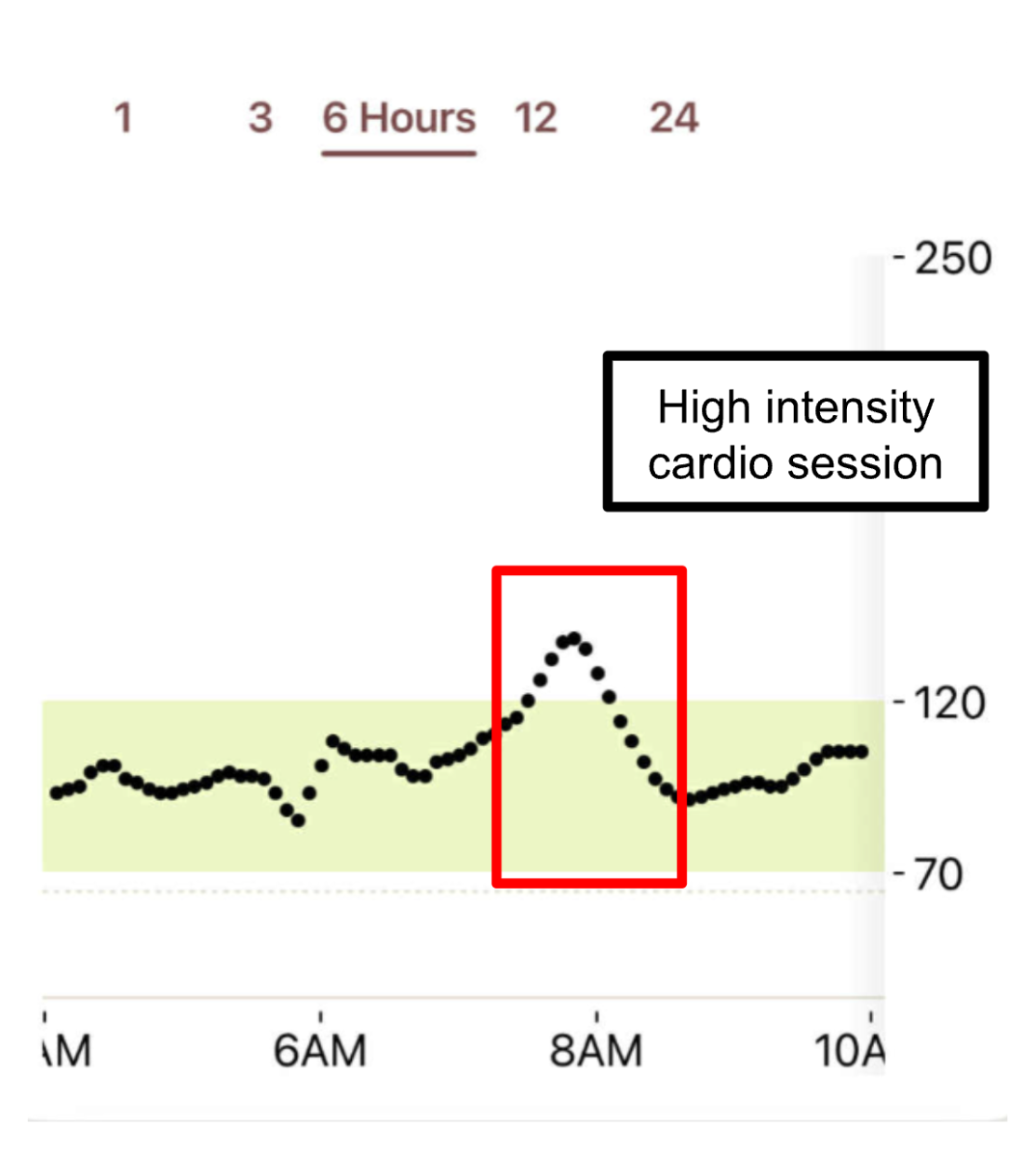
However, a two-hour bike ride or moderate weight training session may steadily decrease your glucose.
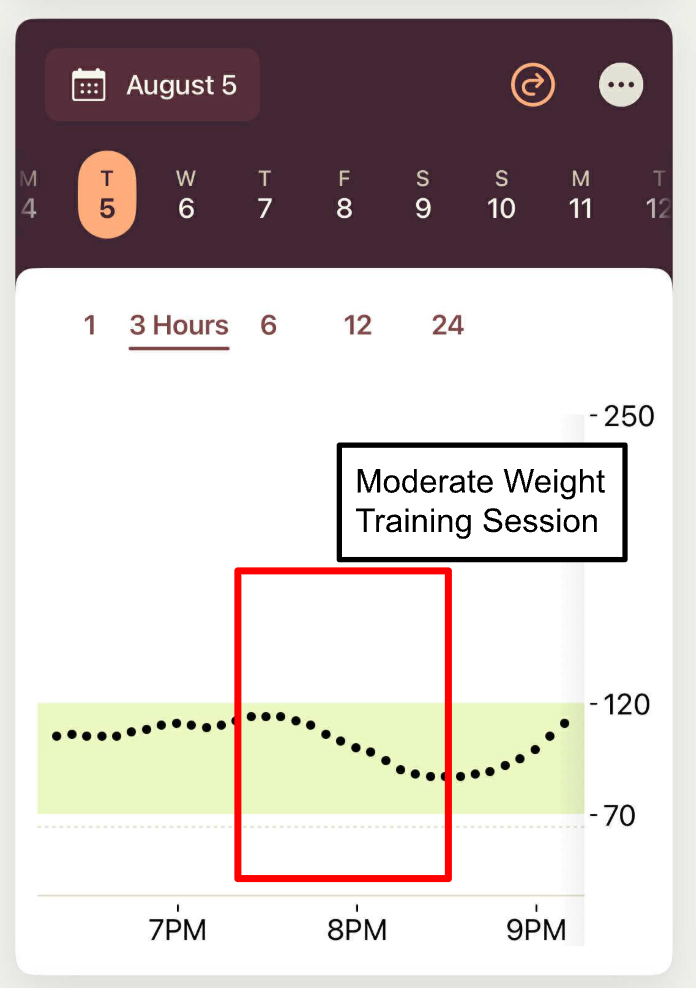
Tracking trends according to your workouts allows you to adjust your carb intake and meal timing to match the demands of each workout.
For example, you might eat a higher carb meal before the two hour bike ride or bring some gel packs to combat the natural decline of glucose you can expect during the workout.
Stay Fueled During Training
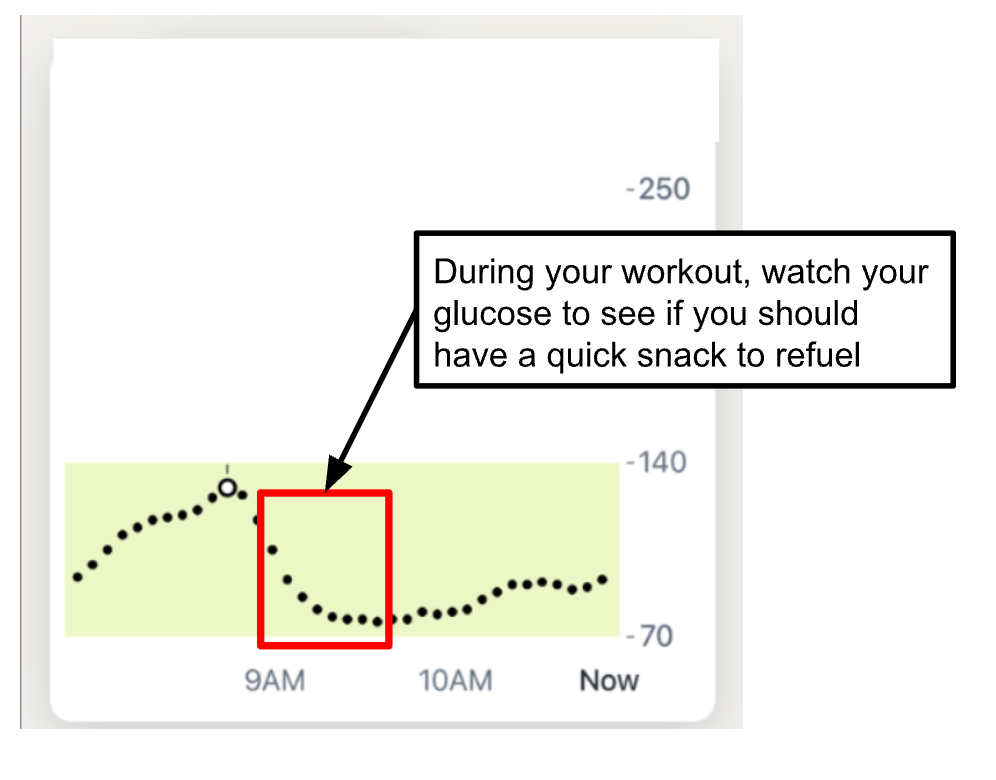
When glucose drops too low in the middle of a workout, your performance suffers. With a CGM, you can catch these declines and make quick adjustments during the workout.
For example, if you’re on a long run and your CGM shows your glucose dropping, you can consume a quick carb source like an energy gel, banana, or sports drink to bring your glucose levels back up and help you finish strong.
Support Recovery After Exercise
Glucose is essential for recovery because it replenishes muscle glycogen, the main energy your muscles use during exercise.
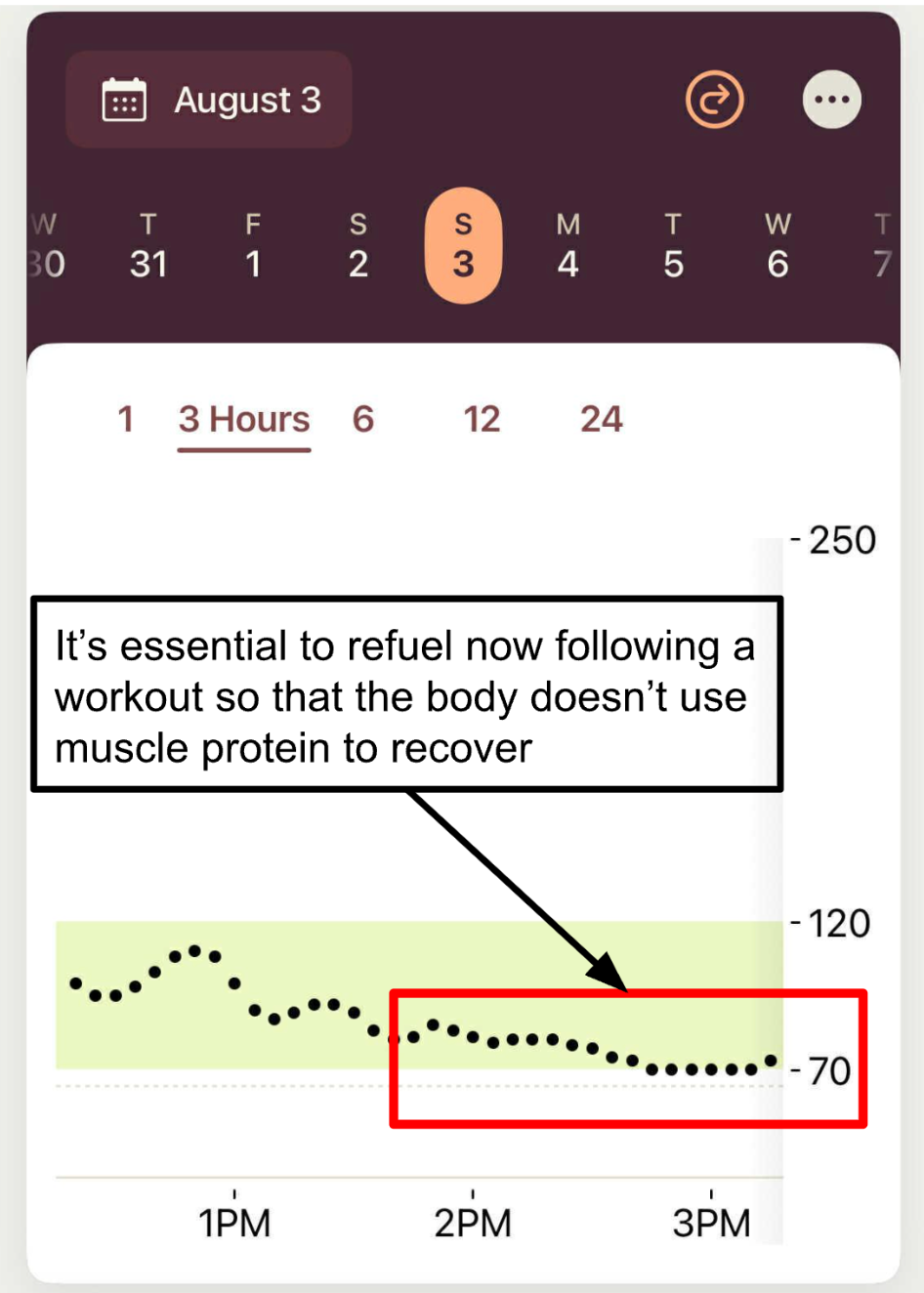
After a workout, glycogen stores are depleted, and consuming glucose helps restore them so your muscles are ready for the next session. However, it’s important to consume a source of carbohydrates that keeps your glucose steady, as spikes lead to crashes and fatigue.
Steady, sufficient glucose also supports muscle repair.
When blood sugar is higher, it triggers the release of insulin, which moves amino acids into muscle cells and boosts protein synthesis. This process allows your muscles to repair and rebuild more efficiently.
Finally, steady glucose prevents excessive muscle breakdown because when blood sugar is low, the body may turn to muscle protein for energy. If your body uses muscle protein, you’ll find it harder to gain muscle and see generally poor performance.
Best CGMs For Fitness
CGMs were previously only available via prescription to diabetics, though recent studies illustrating the importance of glucose for athletic performance and general health and wellness has led to a rising interest in CGMs for non-diabetic consumers.
To accommodate the increasing demand, the FDA cleared two OTC CGMs in 2024, the Dexcom Stelo and Abbott Lingo.
Both of these OTC CGMs are available to consumers without a prescription and are therefore ideal for athletes who want to track glucose levels to improve performance.
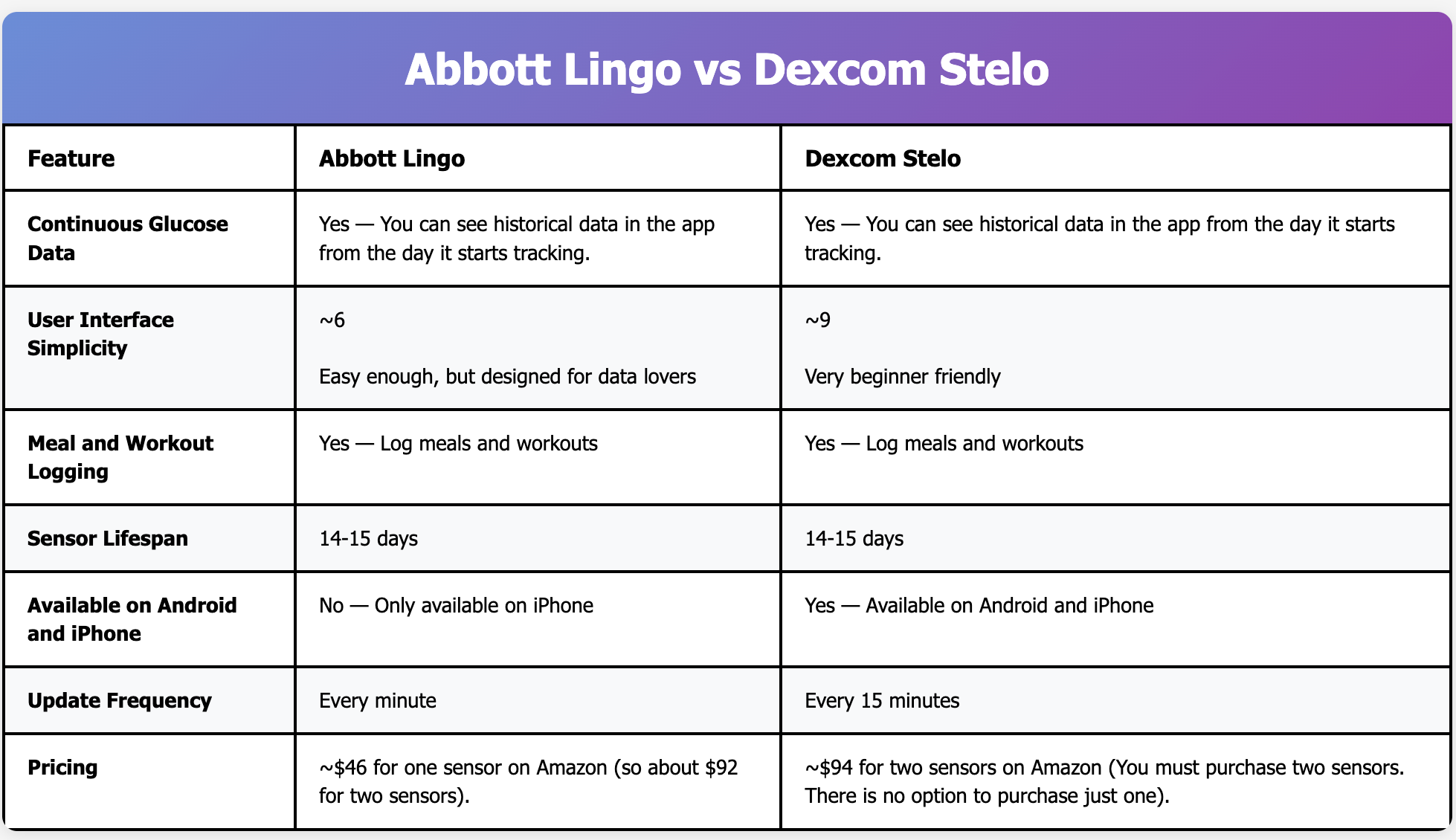
The general capabilities of these CGMs are quite similar, though here’s an overview of some of the key differences.
The Dexcom Stelo
The Dexcom Stelo is an OTC CGM that works for both iPhone and Android users and updates every 15 minutes.
It’s known for having a simplistic interface that’s easy for beginners to navigate while still providing all of the data you need.
For example, you can see all of your historical glucose trend data from the time and date you first inserted the sensor and you can also log meals, workouts, and other factors that may impact your glucose levels.
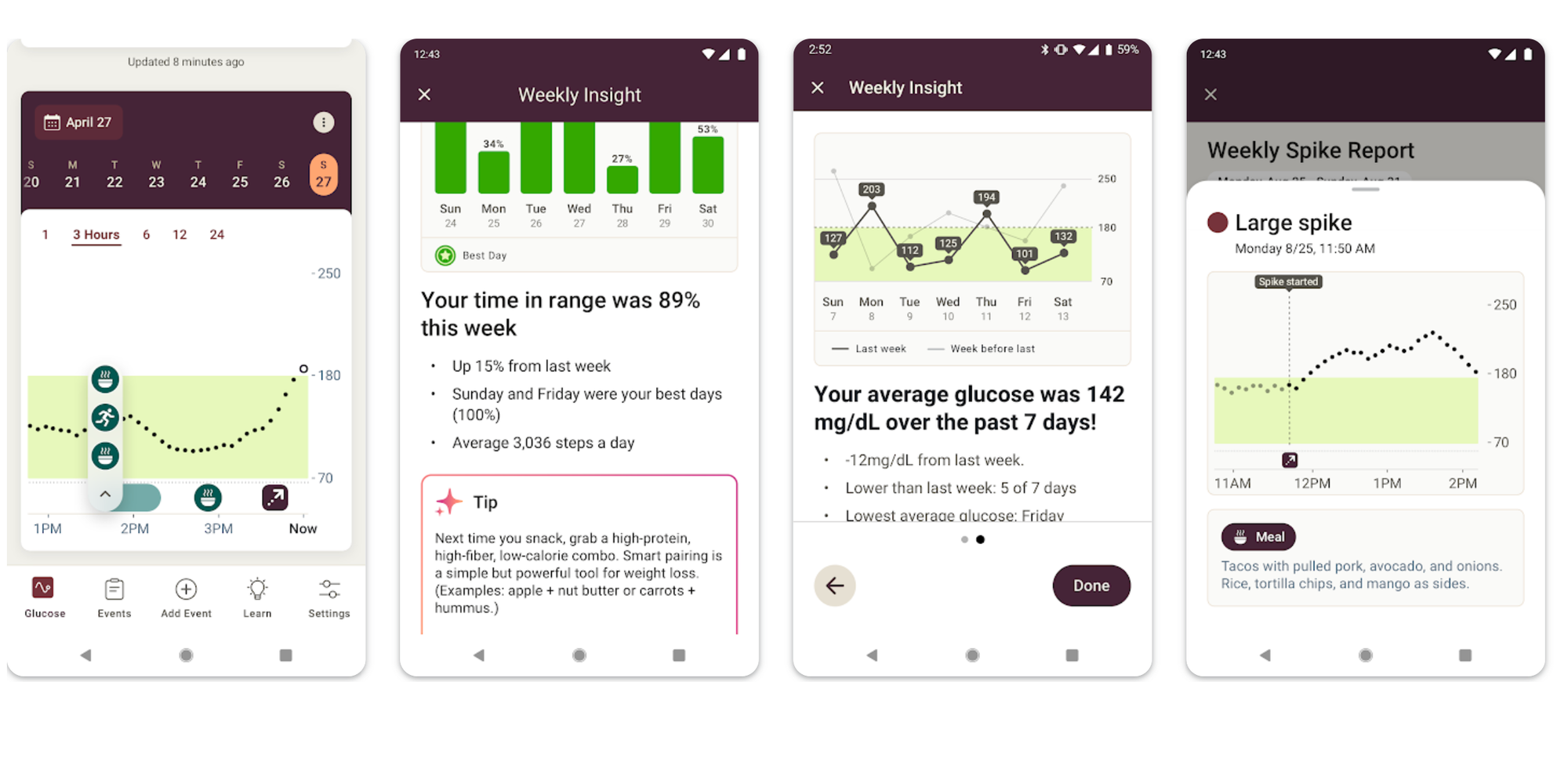
One consideration is that Dexcom Stelo requires purchasing two sensors at once. Each sensor lasts about two weeks, meaning you’ll have to buy a minimum of a month’s supply upfront.
Dexcom Stelo is a great choice for anyone, especially Android users, who want a reliable and easy-to-use CGM to support fitness and wellness goals.
The Abbott Lingo
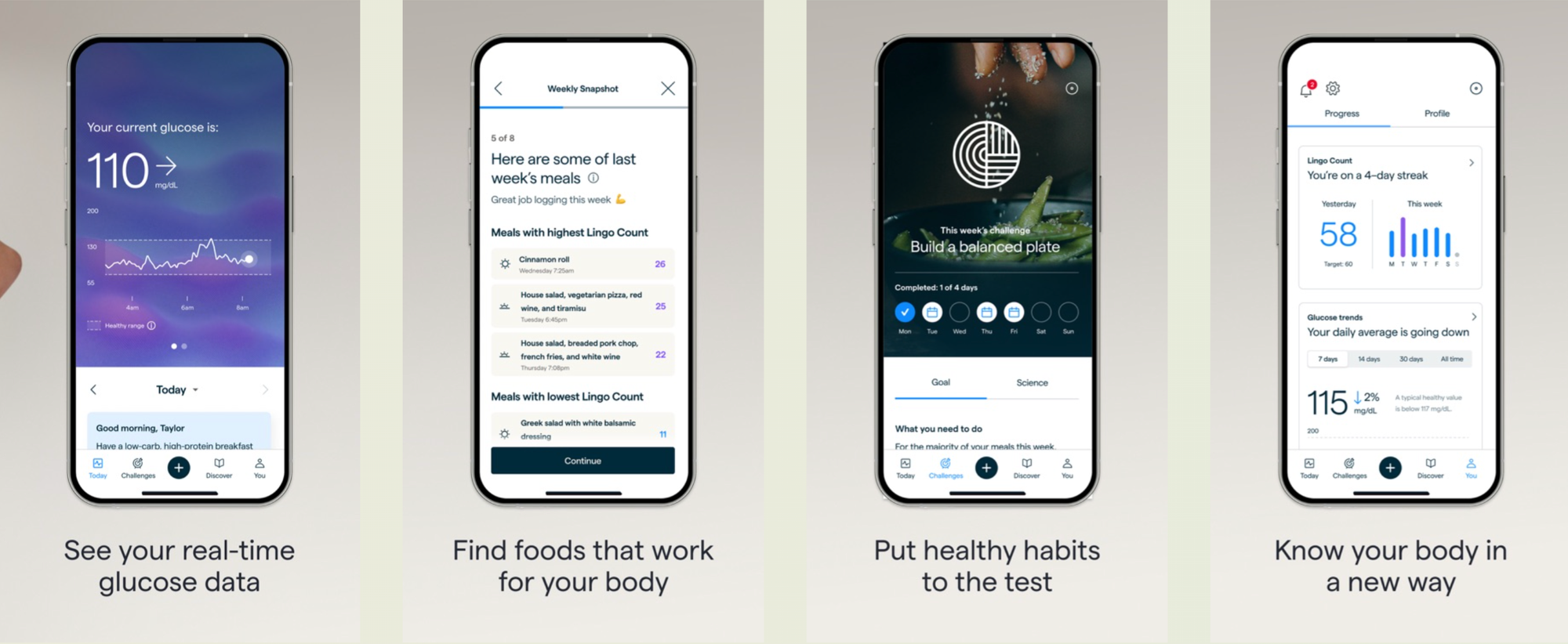
The Abbott Lingo is another OTC CGM that is currently only available for iPhone users.
Unlike the Dexcom Stelo, Lingo updates every minute, providing a more frequent and detailed view of glucose trends.
Its sensor applicator is a multi-part system that requires a bit more assembly, but it functions reliably once applied. Lingo is also more flexible for short-term trials or budget-conscious users, as you can purchase a single 2-week sensor rather than requiring you to purchase a two sensor minimum.
While Lingo is only compatible with the iPhone, it's still a great choice, especially if you want more up-to-date data during your workout.
Additional CGM Programs For Athletes
One of the problems with CGMs, and wearables in general, is that the data alone won’t necessarily make you a more effective athlete. You also need to take action on the data.
CGM Companion programs can hold you accountable and help you improve your performance based on the data from your CGM.
Here are a few of the most popular CGM companion programs for athletes.
Wearable Challenge
Wearable Challenge is a 14 day challenge where participants wear the Dexcom Stelo and stake $20 per day to stay under 120 mg/dL.
The idea is that it forces you to avoid foods that spike glucose which ultimately leads to better performance.
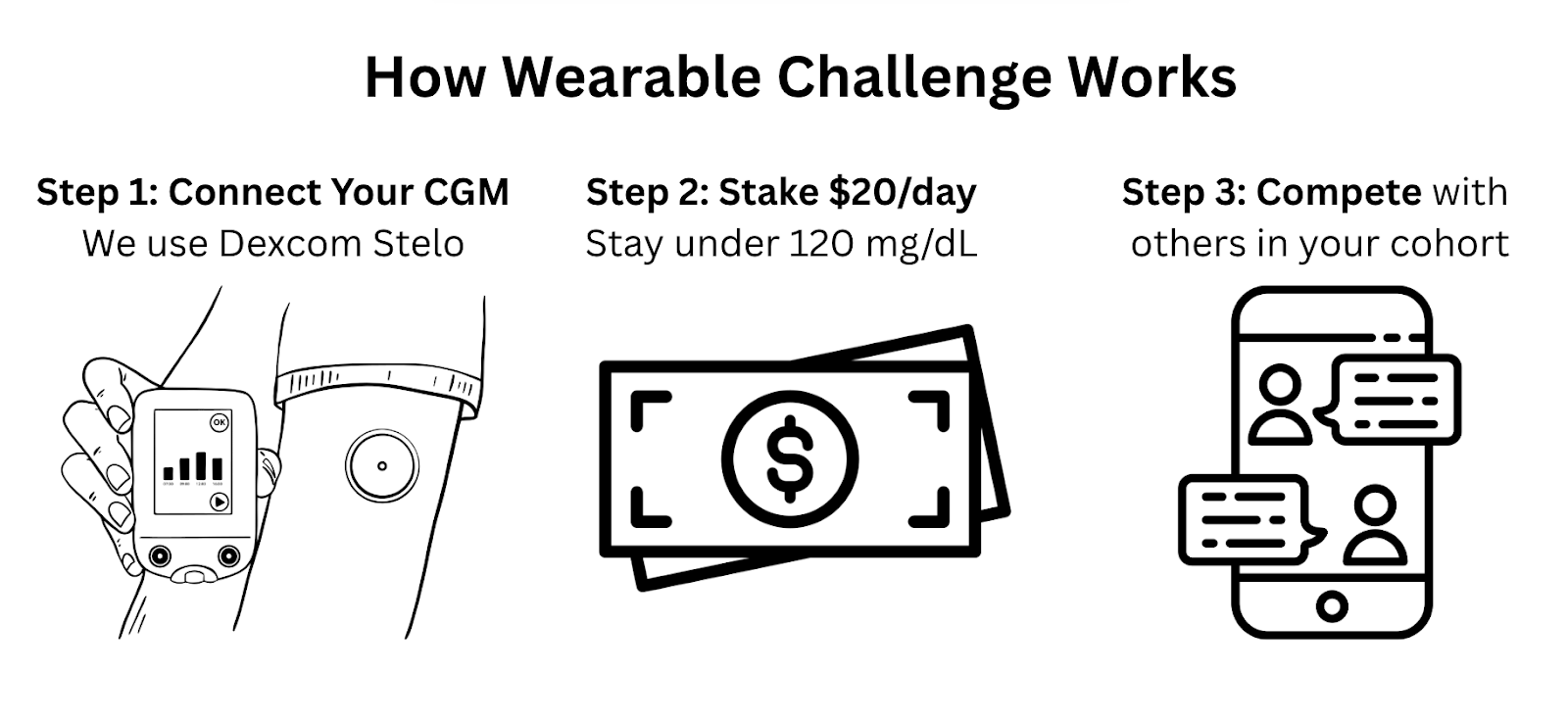
You also compete in a cohort with other people to ignite friendly competition.
With $20 daily stakes, Wearable Challenge is highly effective at holding you accountable to your goals.
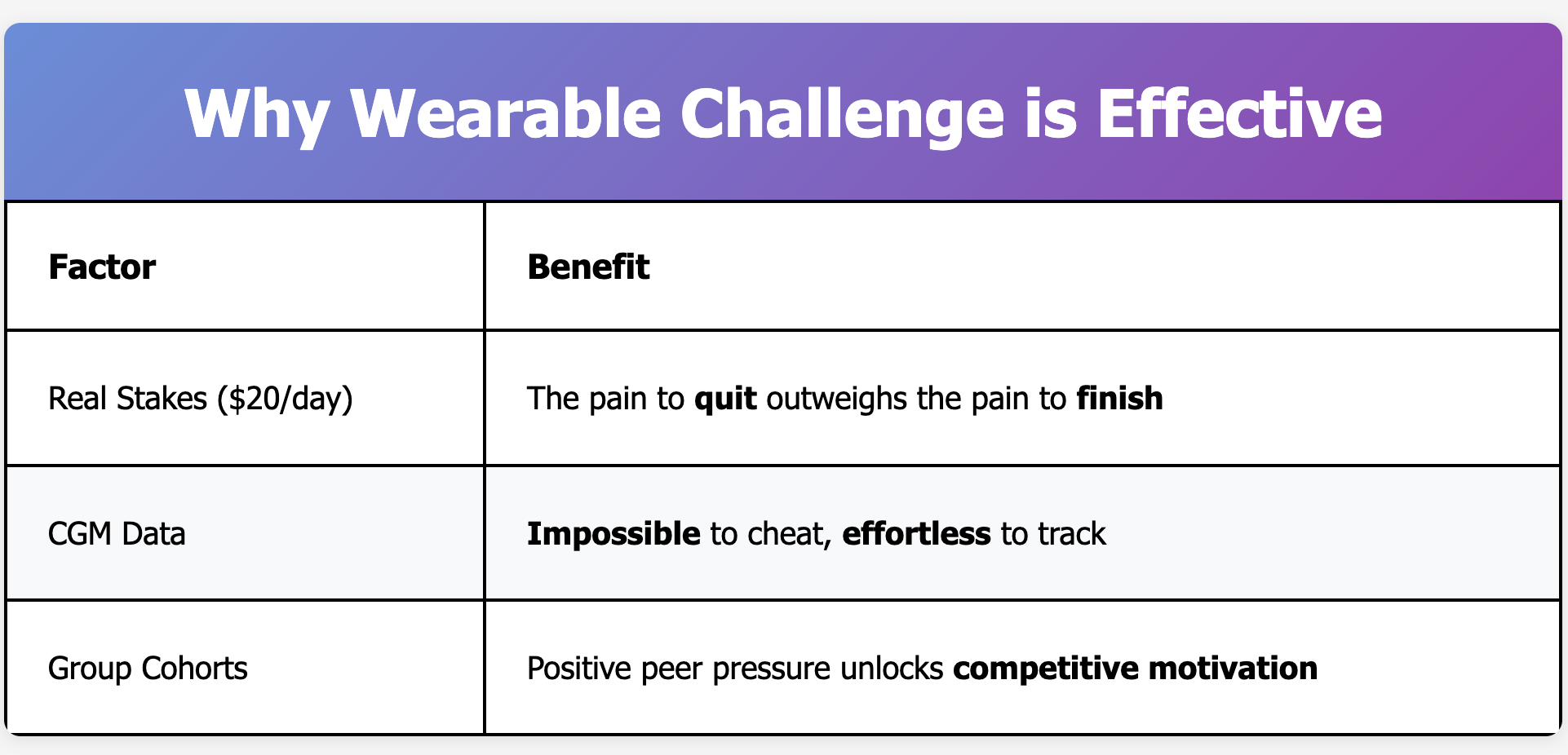
Join Wearable Challenge today to unlock the best version of yourself.
Nutrisense
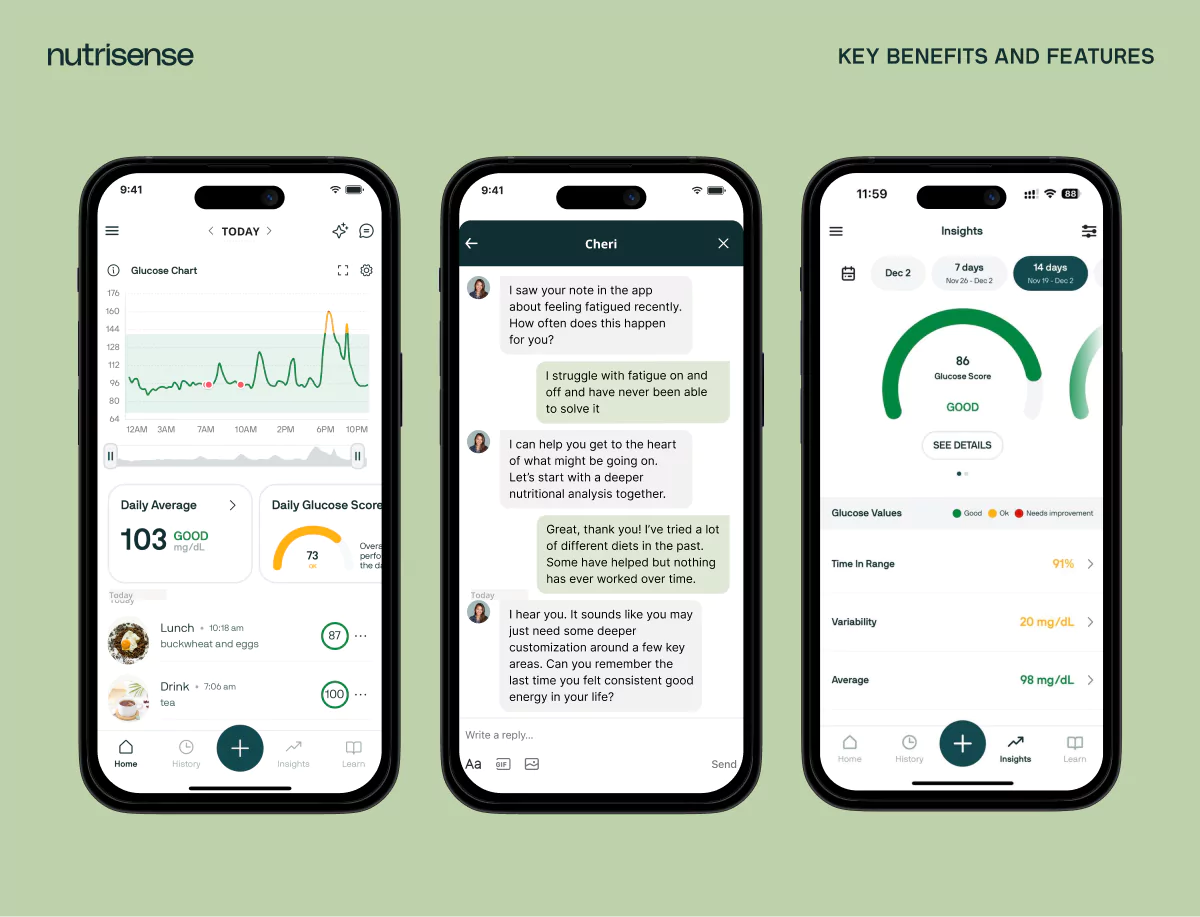
Nutrisense is a CGM program designed for people (primarily athletes and those looking to lose weight) who want a mix of detailed analytics and personalized coaching.
It works with the FreeStyle Libre, Dexcom G6 and G7, and the Dexcom Stelo sensors.
The Nutrisense app combines food logging, glucose trend analysis, and a nutrition database to help you understand exactly how meals affect your body. For example, you can see not just how much your glucose spikes, but also track macronutrients and how different food combinations impact your glucose stability.
However, the coaching offer is the main differentiator that sets Nutrisense apart. Every new user gets 30 days of one-on-one support from a registered dietitian inside the app.
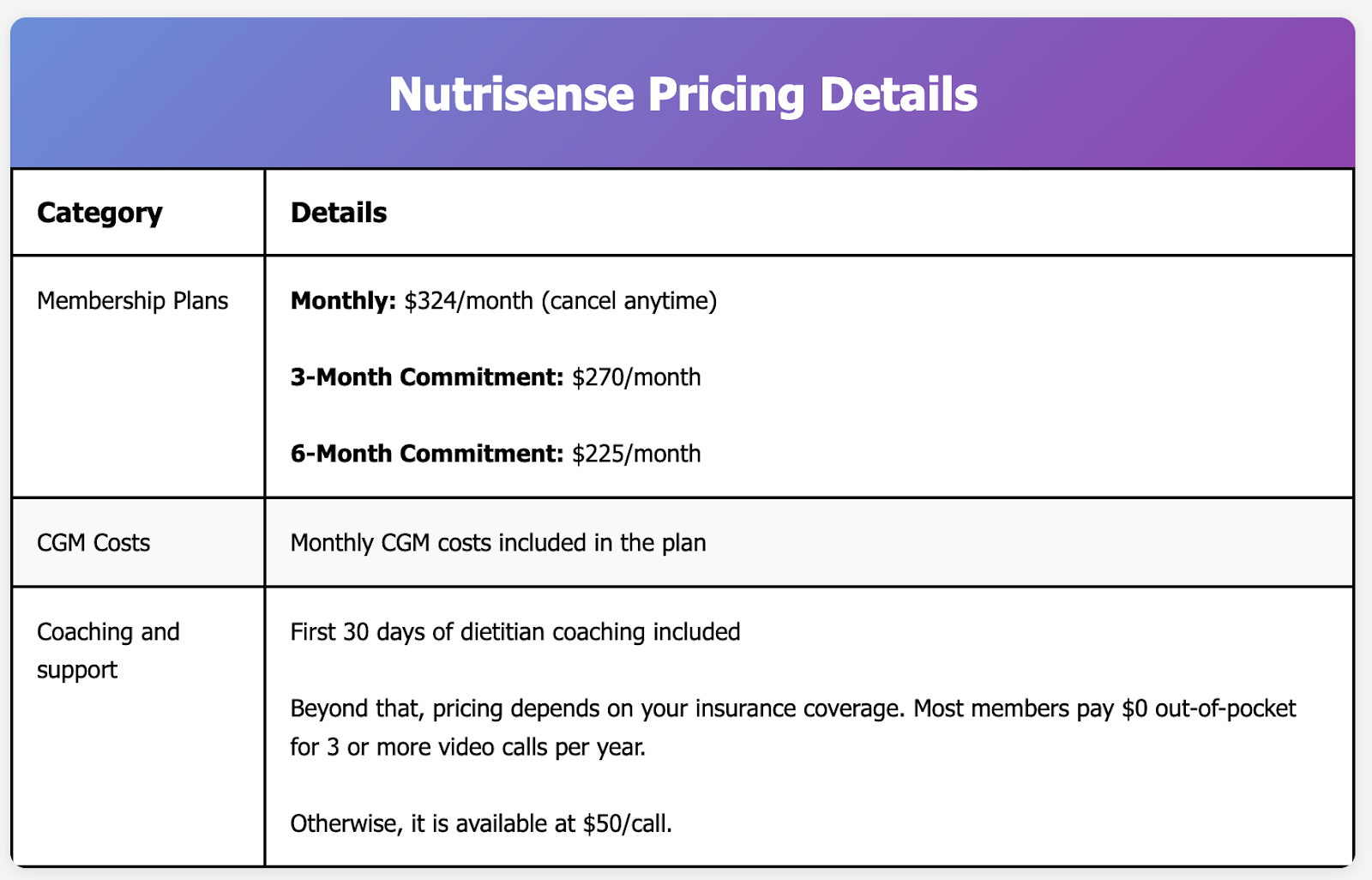
Coaches will proactively message you based on your glucose and food logs, making it easier to stay accountable. You can continue with coaching after the first month, either through insurance (many users pay $0 out-of-pocket) or for a fee.
Nutrisense also integrates with tools like Apple Health, Garmin, Oura, Fitbit, and Keto-Mojo, giving it one of the most advanced ecosystems of any CGM program. It even allows you to calibrate your sensor for greater accuracy, which isn’t available through all programs.
Pricing
Levels Health
Levels is one of the most popular CGM programs among health optimizers and performance-driven athletes.
It supports Dexcom Stelo, Dexcom G6 and G7, and FreeStyle Libre sensors, pairing them with its app to provide stability scores, glucose trend reports, and personalized insights.
The Levels app makes it easy to connect your food and activity to your glucose response. For example, when you log a meal, the app will show how much your glucose spiked, how long it stayed elevated, and how quickly you recovered. Over time, this builds a profile of which foods and activities work best for your body.
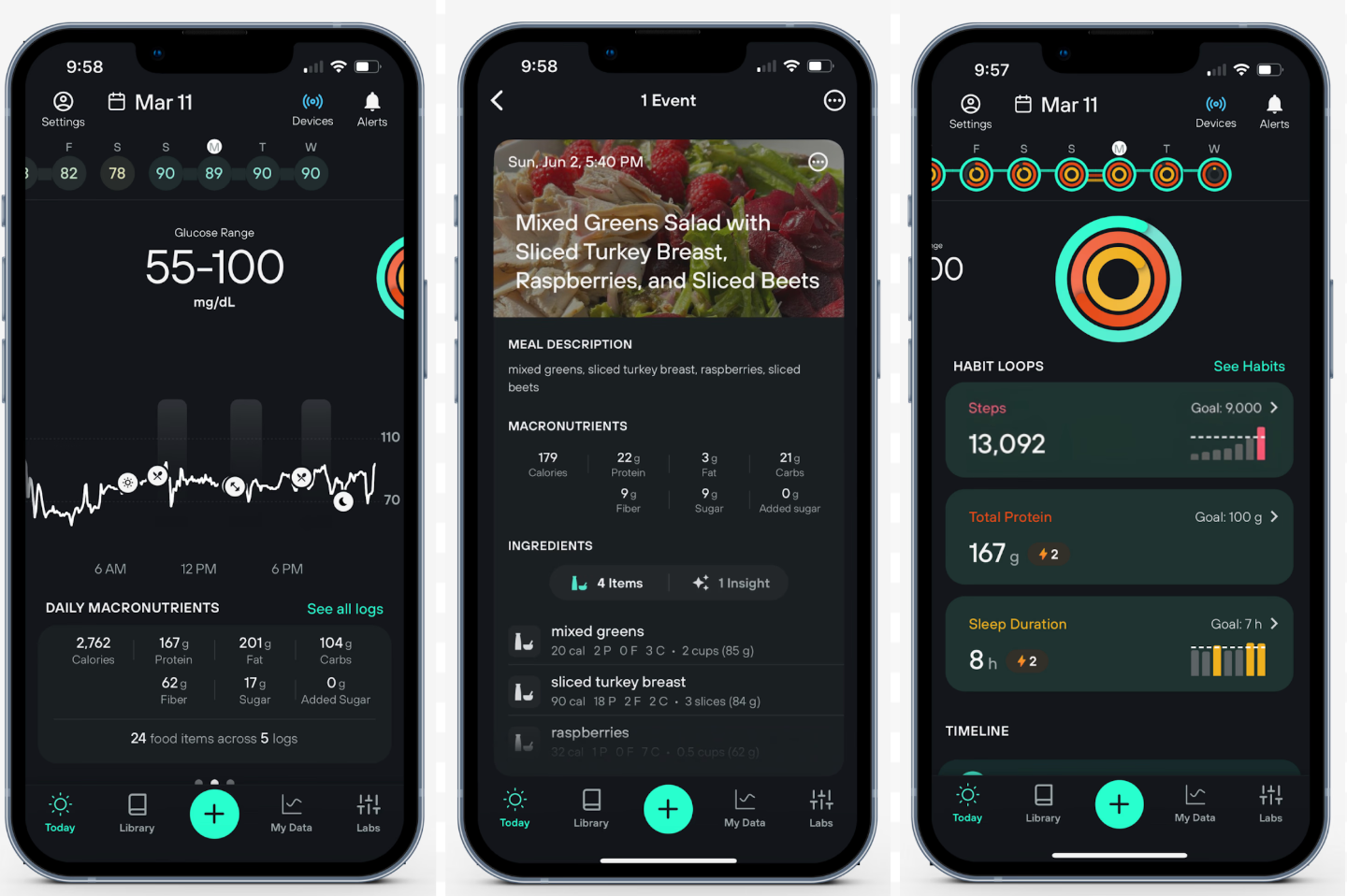
Levels also offers an optional metabolic blood panel through Labcorp. This test gives you deeper context into your health with markers for cardiovascular health (ApoB, Triglycerides), insulin resistance (Fasting Insulin), metabolic function (Uric Acid), and glucose control (HbA1c).
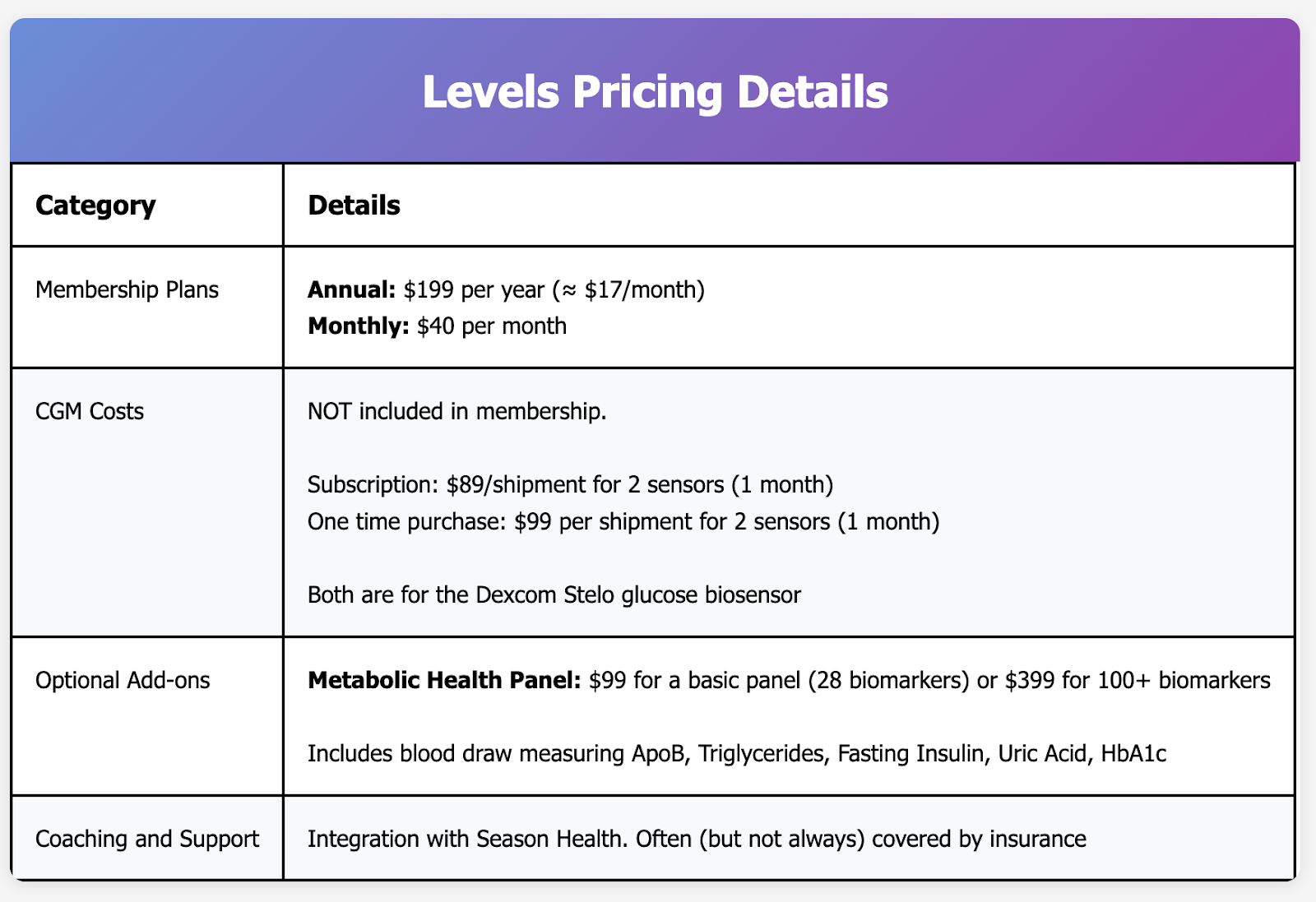
In addition, Levels now partners with Season Health to provide one-on-one dietitian coaching, though this is a paid add-on and isn’t one of their primary focuses.
While the app integrates with Apple Health and Google Fit, it doesn’t connect with some other popular tools like Oura or Keto Mojo. Another limitation is that you can’t calibrate sensors within Levels, which can be a drawback if your readings are occasionally off.
Pricing
Start Using a CGM For Fitness Today
A CGM can give you the insights you need to maximize performance during workouts and lead an overall healthier lifestyle.
However, data alone won't magically make you healthier.
You also need to take action on that data. Wearable Challenge is the solution that holds you accountable to your data.
With $20/day accountability, your food choices have real consequences, and you're more likely to take action on the data.
Join Wearable Challenge today to unlock the best version of yourself.